
Overview
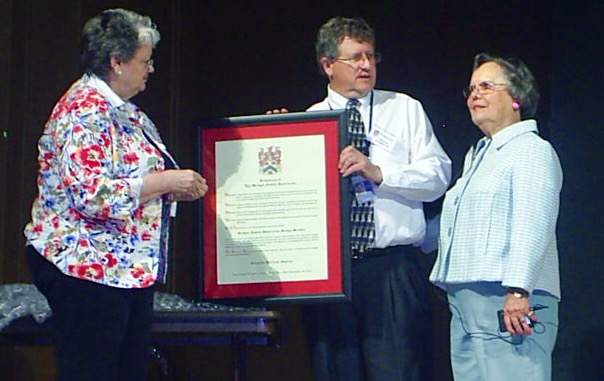
In May 2006, at the first meeting of the Bridger Family Association, Dr. Douglas Owsley, Curator and Division Head of Biological Anthropology, National Museum of Natural History at the Smithsonian Institution, discussed a proposal to exhume the remains of Joseph Bridger for a study he was conducting about the health and causes of death of colonial-era residents. Owsley had studied the remains of unidentified indentured servants and a few gentry from Jamestown, but Bridger’s remains would allow the Smithsonian to study a known person whose background and lifestyle differed from other study subjects.
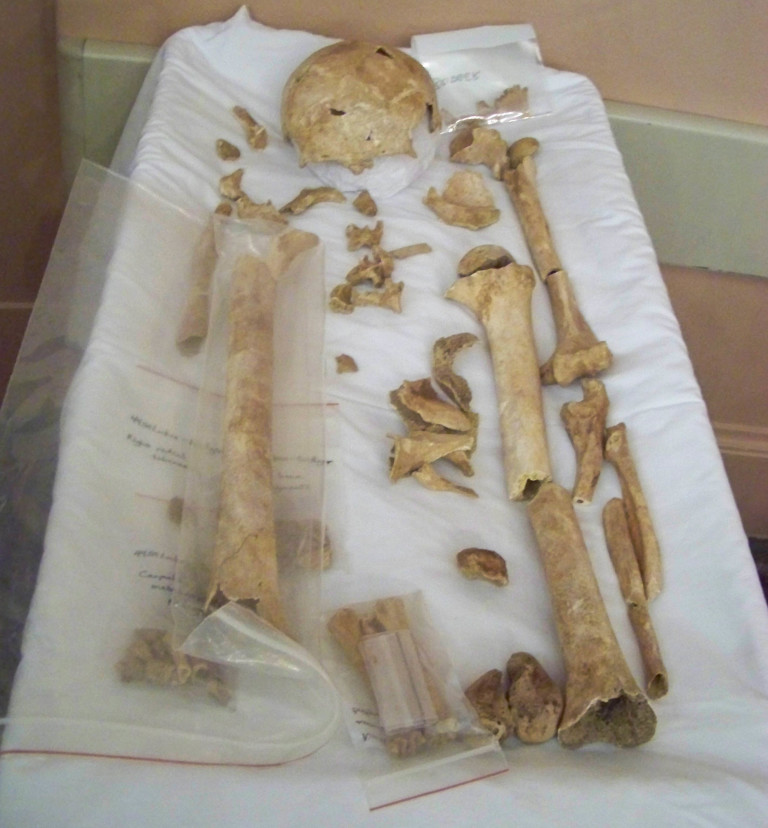
On January 27, 2007, Dr. Owsley and his forensic team returned to the church to exhume the remains located under a ledgerstone in the chancel. Twenty Bridger descendants looked on. Only about 20 percent of his bones were in the crypt, which was not unexpected since his remains had been buried in a grave at his home Whitemarsh for 200 years before they were interred at St. Luke’s in 1894. The Smithsonian studied the remains using modern forensic technology such as 3D imaging, scanning electron microscopy, carbon 13/isotope chemistry, and cranial morphology.
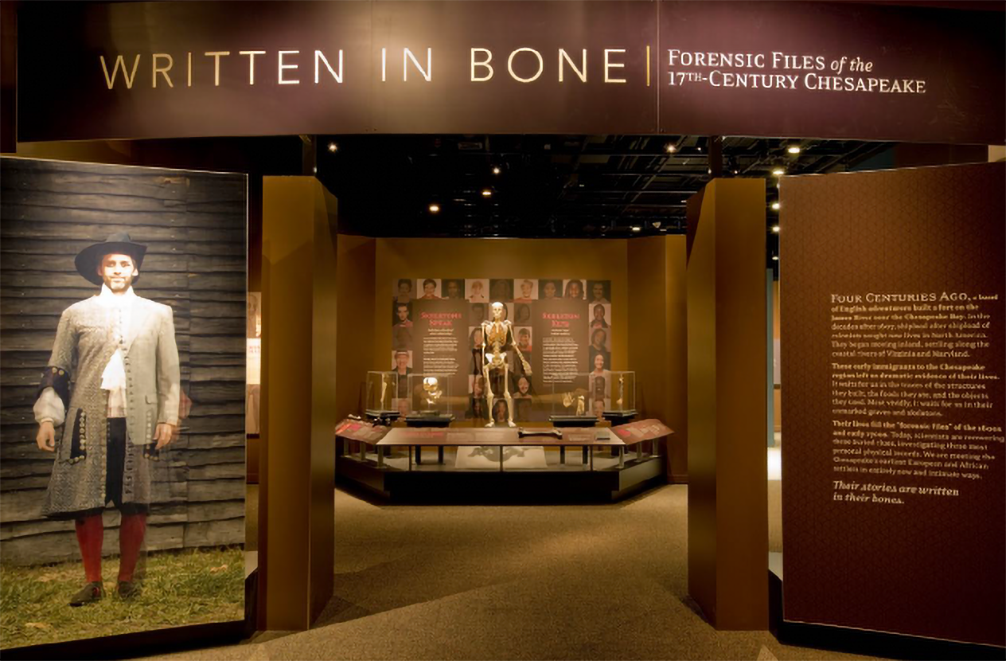
Written in Bone; Forensic Files of the 17th-Century Chesapeake
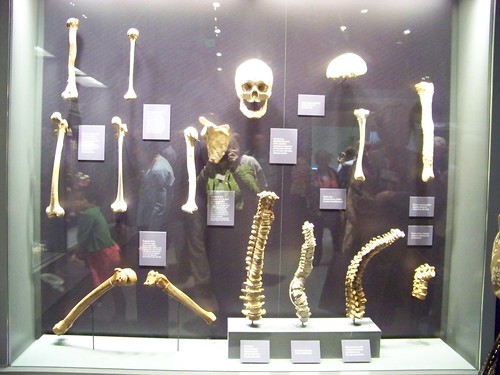
A 2009 exhibit at the Smithsonian’s National Museum of Natural History: Written in Bone; Forensic Files of the 17th-Century Chesapeake, mentioned Joseph Bridger’s cause of death. A 2009 book titled Written in Bone: Bone Biographer’s Casebook discussed what the analysis of his remains revealed:
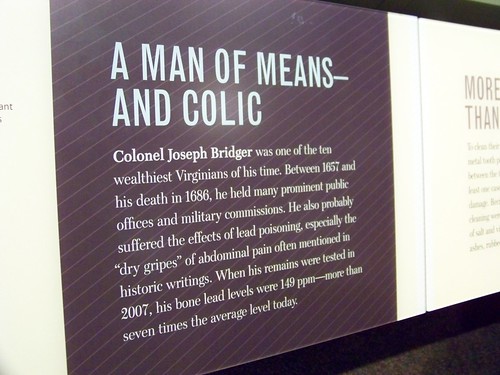
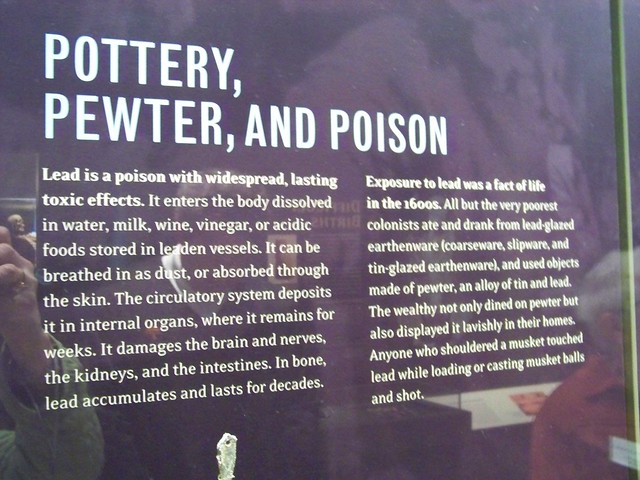
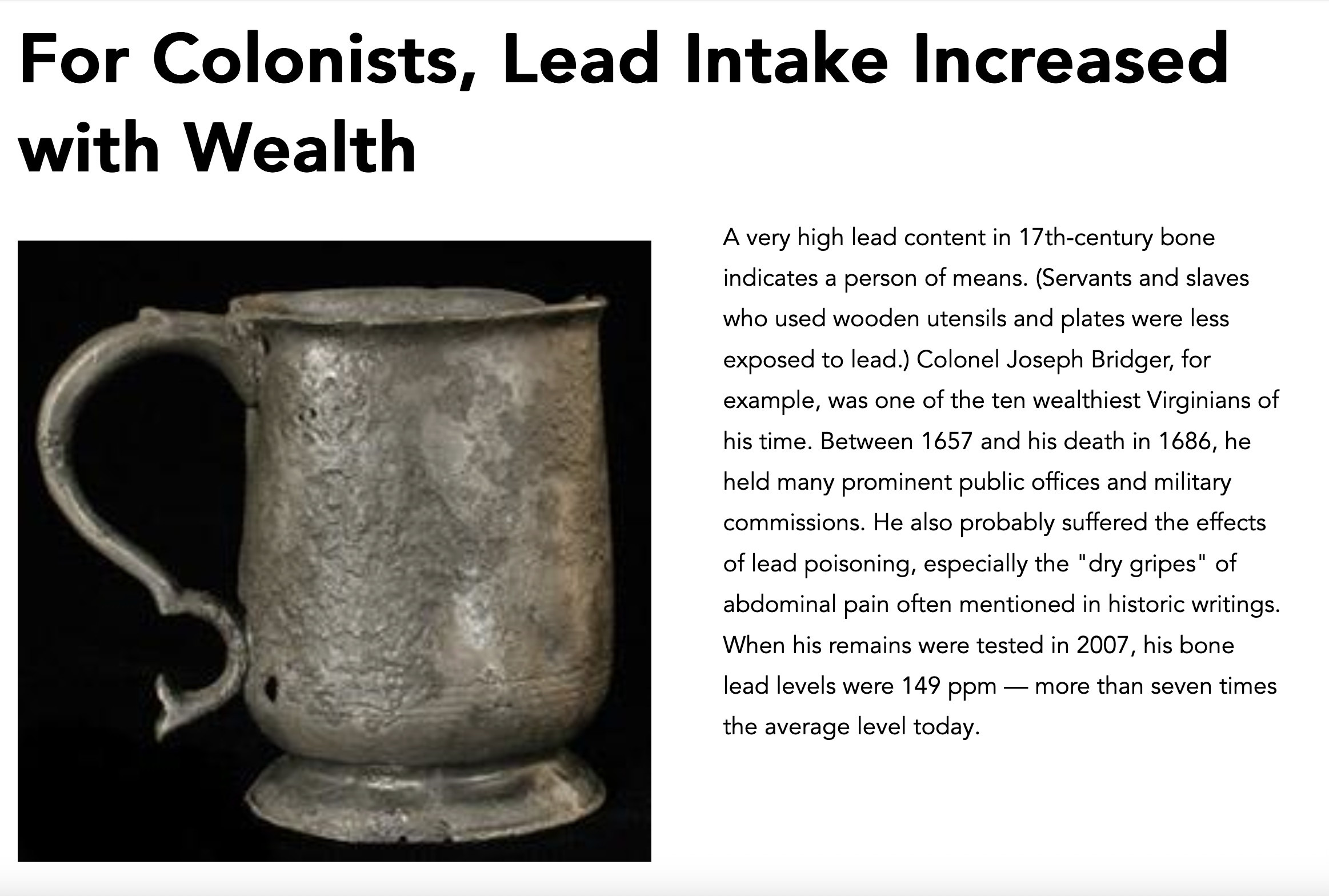
Osteological analysis showed that Joseph Bridger suffered afflictions that would have made daily life miserable. In addition to dental disease and gout, his bones were laced with lead, a condition common among those who used pewter plates and utensils during colonial times. Lead intake increased with wealth, so a very high lead content in 17-century bone indicates a person of means. When his remains were tested in 2007, his bone lead levels were 149 ppm–more than seven times the average level today.
His remains–except for a femur bone–were reinterred at the church 1n 2014. The femur bone was retained for further research and possible DNA testing when technology would allow. See DNA Testing.
The Anne Randall Project
In a related effort, Dr. Owsley and his team returned to St. Luke’s Church on January 23, 2023, to exhume the remains of Anne Randall, an aunt of Hester Bridger, who was buried in the chancel next to Joseph Bridger. Anne Randall died in 1696, was buried at Whitemarsh, and was interred at St. Luke’s in 1894. Dr. Owsley discusses the project here. The results of the bone analysis have not yet been announced. More information on the exhumation is here.
![Kneeling at the open area next to Anne Randall’s grave is [left] Dr. Doug Owsley of the Smithsonian Institution; [middle] Jean Tomes, president and founder of the Bridger Family Association; and [right] Bill Carrell II, vice president and co-founder of the BFA.](https://www.bridgerfamilyassociation.com/wp-content/uploads/2025/07/2023_AnneRandall1.jpeg "Kneeling at the open area next to Anne Randall’s grave is [left] Dr. Doug Owsley of the Smithsonian Institution; [middle] Jean Tomes, president and founder of the Bridger Family Association; and [right] Bill Carrell II, vice president and co-founder of the BFA.")