
The Early Years
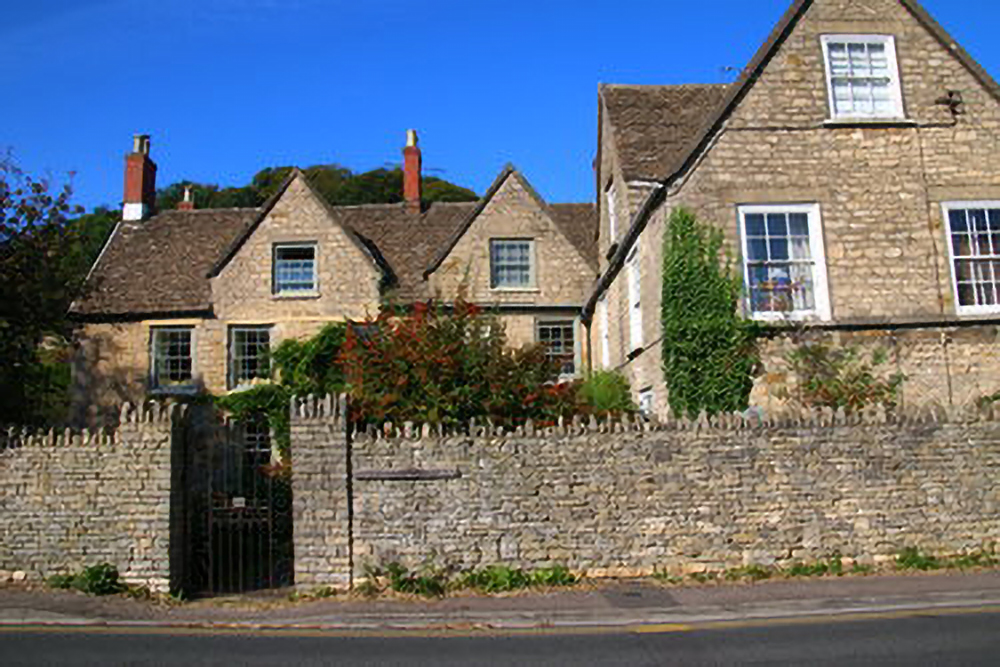
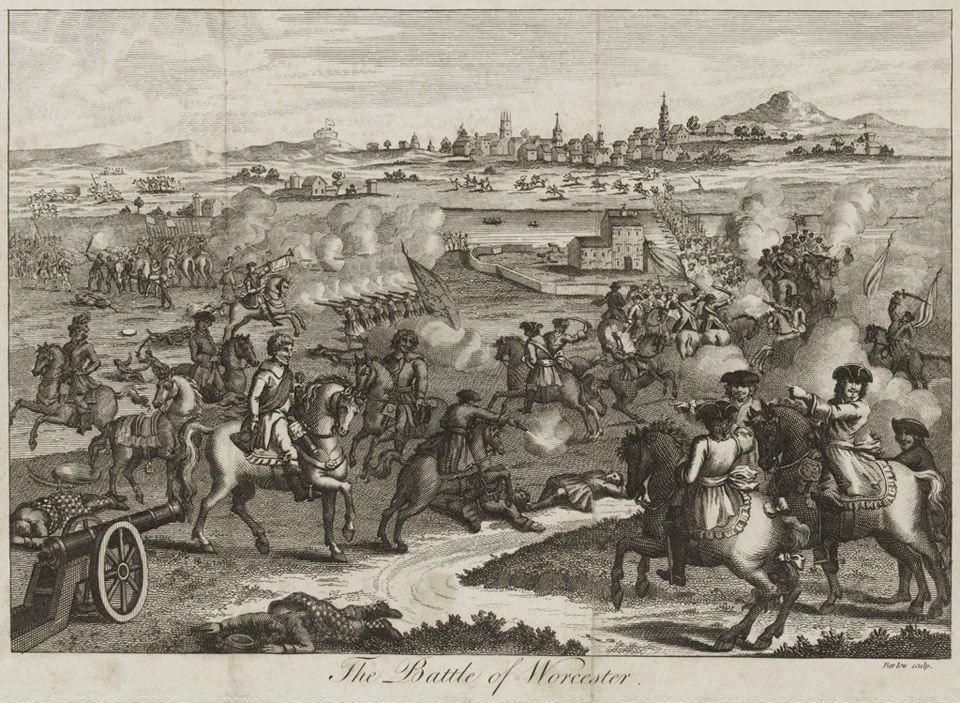
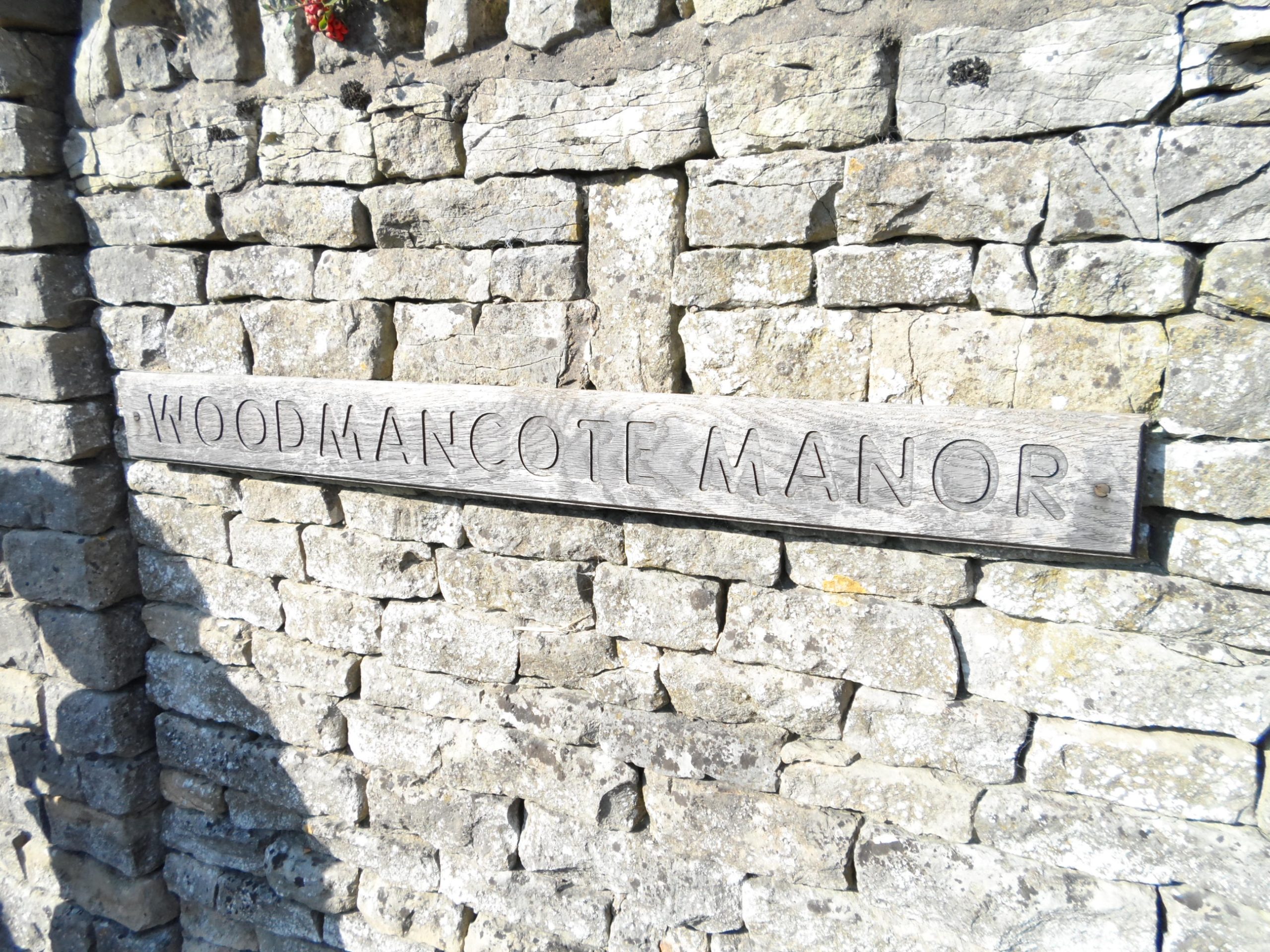
Joseph Bridger was born in Dursley, Gloucestershire at Woodmancote Manor, the home of his father Samuel and his mother Mary. Joseph was baptized on 28 April 1631 in the Dursley Parish (Reference 1). Nothing verifiable is known of his life in England. He came of age during turbulent times with Oliver Cromwell and Parliament challenging King Charles I beginning in late 1642. Royalists and Parliamentarians battled for the next several years, culminating in the king’s beheading on 30 January 1649. Joseph Bridger may have fought as a Royalist during the Battle of Worcester on 3 September 1651 after which King Charles II fled England. Worcester was less than 50 miles from his home in Dursley. His father had died in 1650, and the defeat of the Royalists in 1651 may have prompted Joseph to leave for Virginia in 1652 when he was 21 years old.
Baptismal Records
John Bennett Boddie (Reference 2) stated that Joseph Bridger was likely born in Dursley, Gloucestershire, England, because his father Samuel Bridger owned Woodmancote Manor in that Dursley Parish at that time. However, Boddie did not find a record of his birth or baptism.
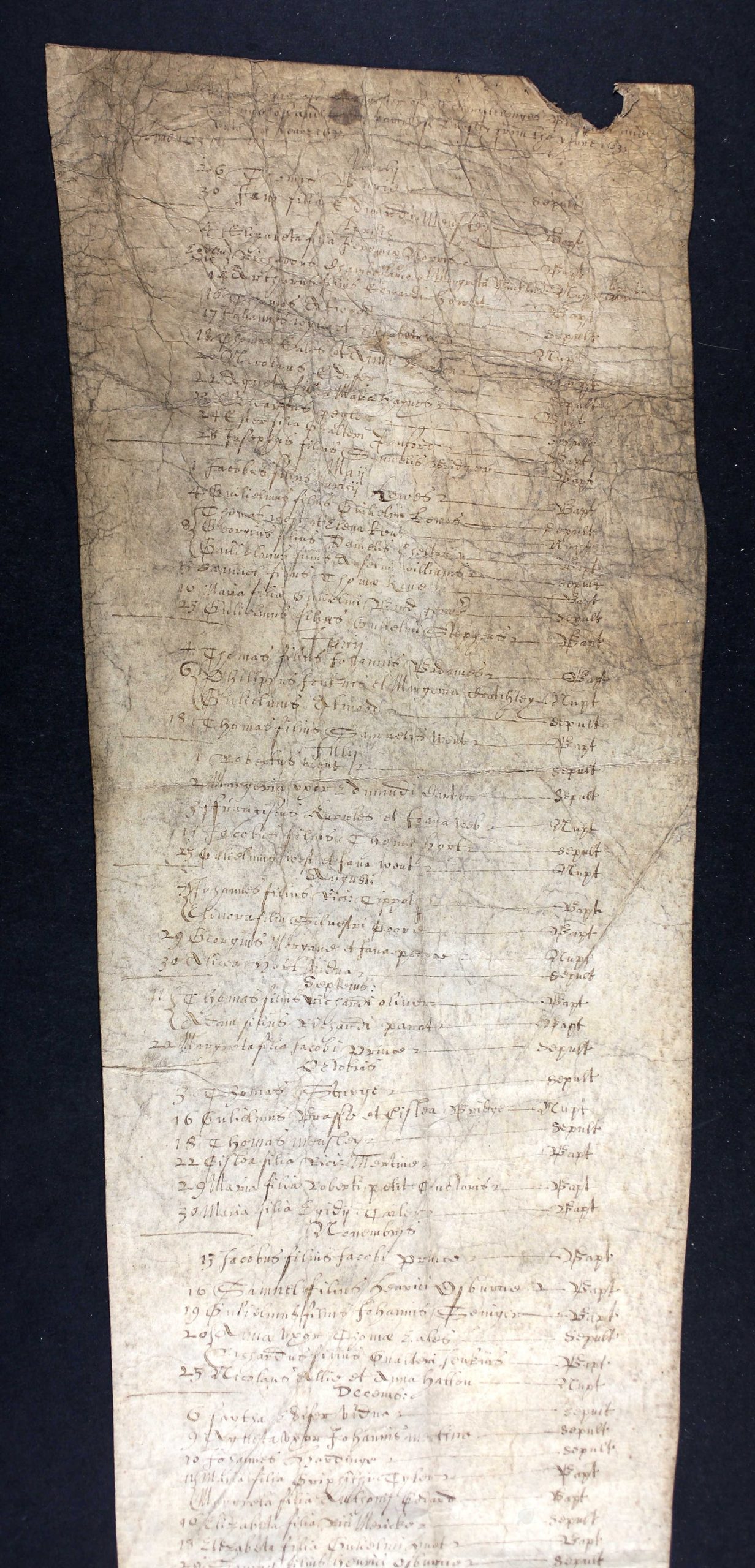
In 1997, John A. Brayton (Reference 3) stated that he had found Joseph Bridger’s 28 February 1631 baptismal record in the Bishop’s Transcripts for Dursley Parish, Gloucestershire, England. Brayton’s exact transcription was “1631, feb 28, Josephus filius Samuelis Bridger, bapt.”
When the COVID-19 pandemic locked down the population in the United Kingdom beginning in 2020, various archives in the United Kingdom began to post digital copies of parish records online at such websites as Ancestry.com and FindMyPast.com, etc. As a result of this wonderful gift to genealogists all over the world, the Parish Records for Dursley Parish, Gloucestershire, were posted, and BFA Member Janet Ross accessed them through Ancestry.com (Reference 4).
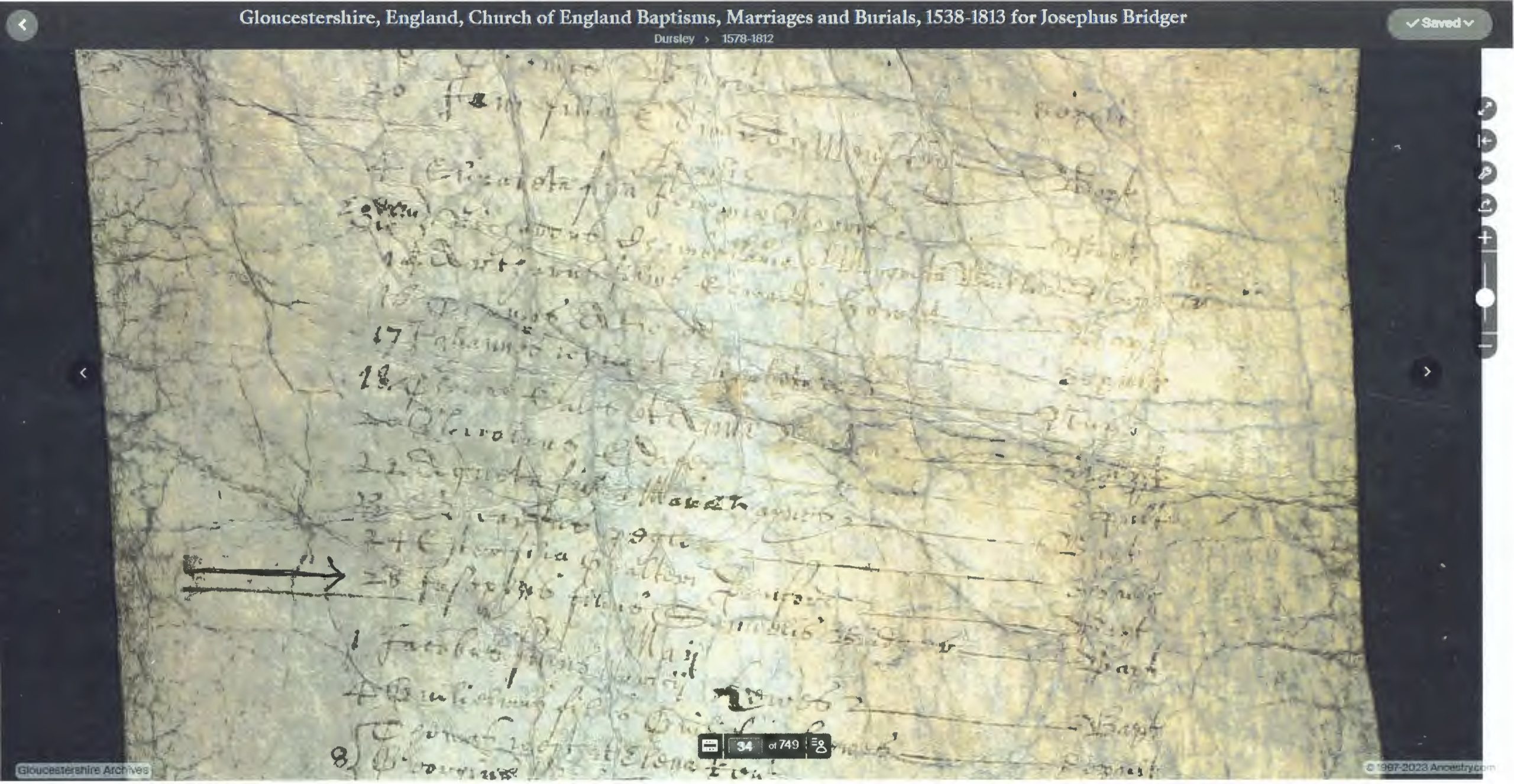
The parish register for Dursley in the first part of the 17th century is fragmentary, with only a few pages surviving from the 1620s and 1630s. The page with Joseph Bridger’s baptismal record did survive and shows that he was baptized on 28 April 1631, specifically, “28 April, Josephus filius Samuelis Bridger, bapt.” The year 1631 was written at the top of this page. The image of his baptismal record at right is as shown on Ancestry.com on 29 January 2023.
Janet Ross contacted John Brayton and told him about finding the baptismal record for Joseph Bridger in the Parish Records, which had a different date than the Bishop’s Transcript. He said the Parish Register date of 28 Apr 1631 was closer to the event and therefore more trustworthy than the Bishop’s Transcripts date of 28 Feb 1631.
Property Records
Joseph’s father died in 1650. King James II and his Royalist forces were defeated in 1651. Virginia’s Governor William Berkeley openly encouraged the Royalists, also known as “Cavaliers,” to take refuge in Virginia, along with clergymen from the Church of England. Joseph immigrated to Virginia in the early 1650s (Reference 5). The first record of Joseph in Virginia stated that Joseph Bridger of Virginia owned three-eighths of a cargo of “wines and other goods” shipped to Virginia in the Success of London in the year 1654 (Reference 6).
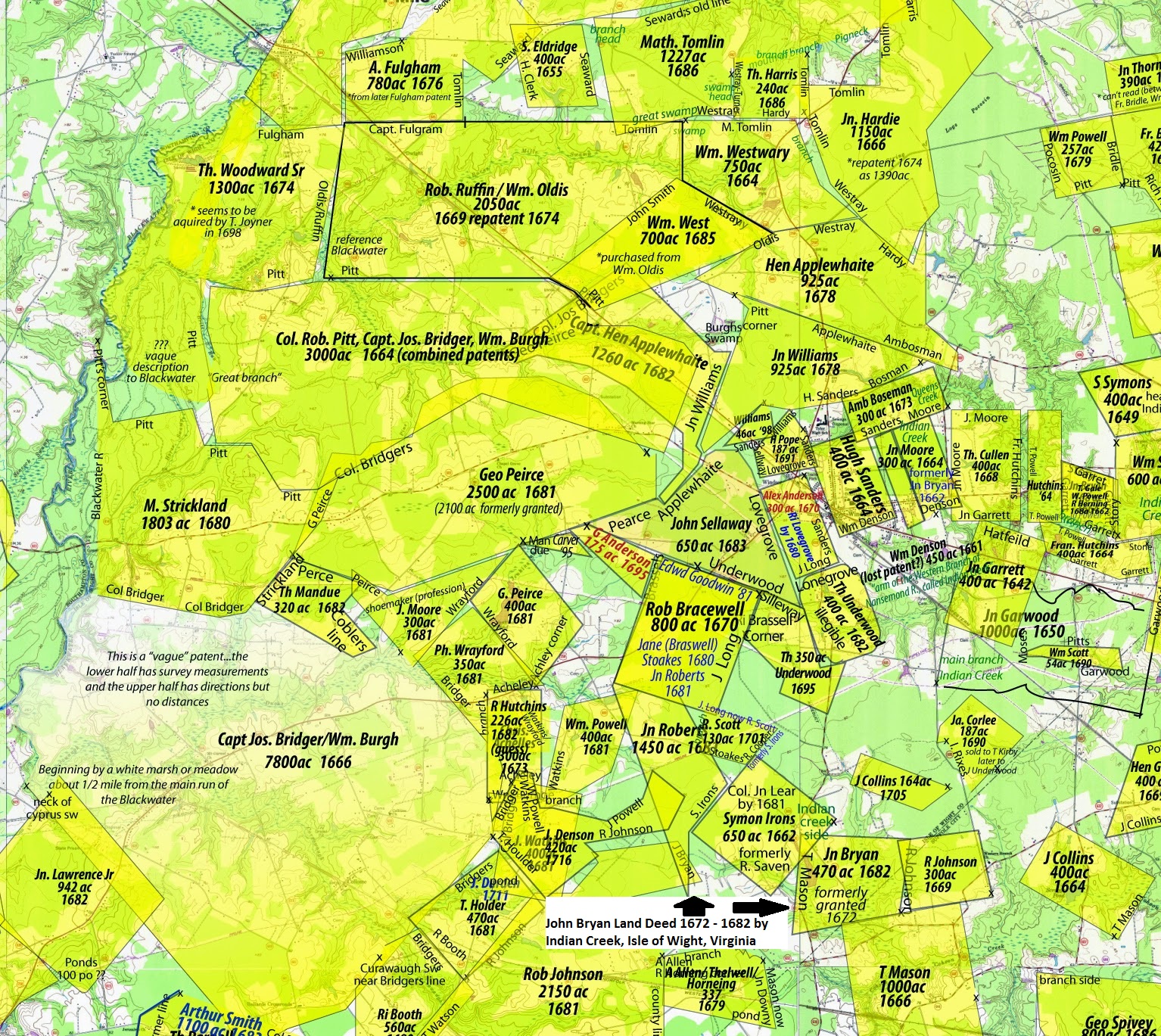
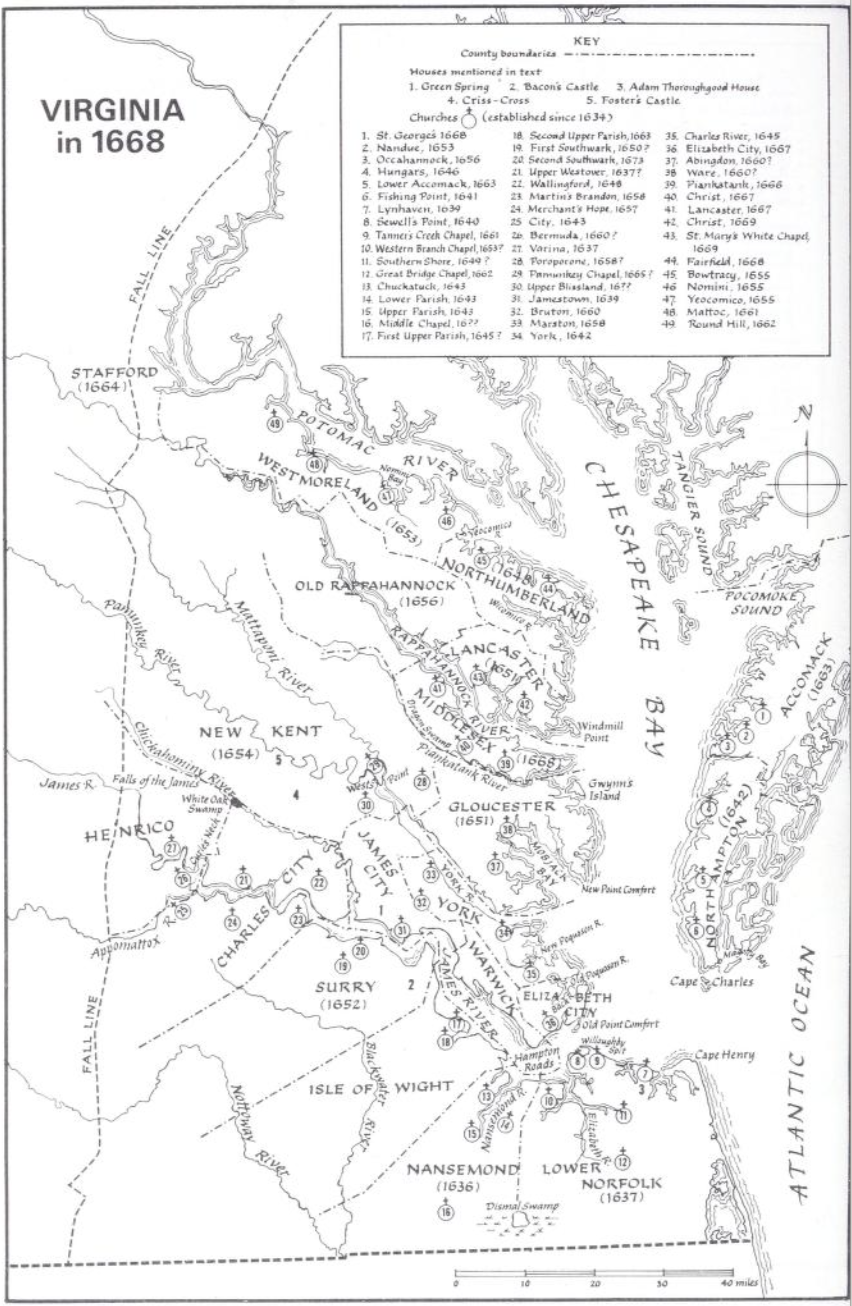
By 1654, Joseph had married Hester Pitt, the daughter of Robert Pitt and Martha Tomlinson. The date and location of the marriage is unknown. If they were married in 1654, Hester would have been 18 years old and Joseph 23 years old. Joseph and Hester settled in Isle of Wight County where they eventually built a grand home, Whitemarsh, where they raised seven children. Joseph owned more than 16,400 acres of land in Isle of Wight, Surry, Nansemond, and James City counties, becoming one of the ten largest landowners in Virginia and the largest south of the James River. He also had a large mercantile business, trading Virginia tobacco to merchants in England for commodities desired by colonists. He owned a sloop that could hold 28 hogsheads of tobacco, which was likely used to pick up tobacco from wharves of local planters and to deliver their imported goods. He was the wealthiest landowner living south of the James River and probably one of the 10 wealthiest persons in Virginia.
Read The Landed and Personal Estate of Gen. Joseph Bridger by William P. Carrell II for an extensive discussion and maps of his property.
Professional & Military Service
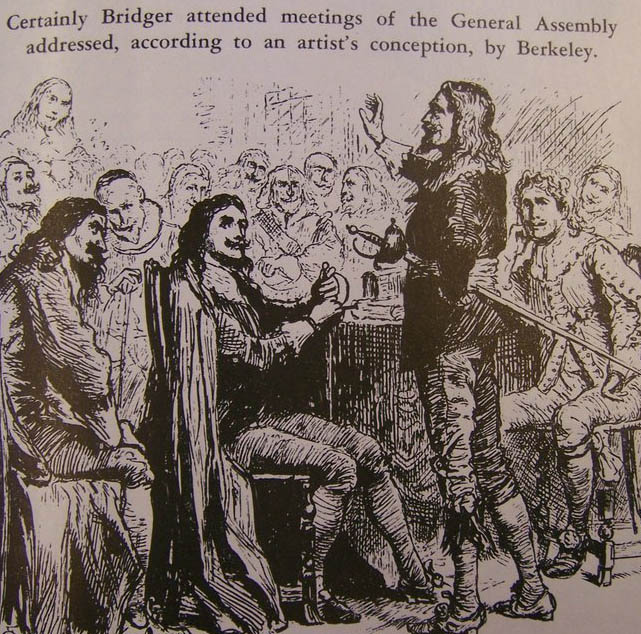
Joseph Bridger represented Isle of Wight County in the House of Burgesses from 1657/8 through 1673, working closely with Governor William Berkeley. In 1664, he served on the commission to adjust the boundary between Virginia and Maryland on the Eastern Shore. From 10 Nov 1673 until his death in 1686, he served as a Councilor of State on the Governor’s Council, whose members were appointed by the king. The council served as the upper house of the legislature advising the governor on various administrative and legal matters. Council members were all prominent planters and merchants. Berkeley died in 1677 and was succeeded by appointed or acting governors for several years. In 1684 and again in 1685 Bridger briefly served as Co-Acting Governor of Virginia during an absence and illness of the governor.
Joseph Bridger’s military service included the following:
- In England, may have fought as a Royalist for King Charles II during the Battle of Worcester on 3 September 1651
- Captain in the Isle of Wight Militia 1663
- Adjutant General of Virginia in 1666
- Colonel of the Isle of Wight County militia from 1672 to his death
- Commander of nine Virginia counties for defense against the Indians in 1680
- Commander of four Virginia counties for defense against the Indians in 1683 (Governor Thomas Culpeper said of his choice of Bridger: “The service is so difficult and dangerous that I could appoint no other.”)
- Deputy Vice Admiral of Virginia in 1683
Descendants Military Service
Many Bridger descendants have served in the military at the State and National levels. Read this story about a Bridger in the War of 1812: St. Luke’s Historic Church & Museum Spring 2021 Newsletter (page 7).
Bacon’s Rebellion
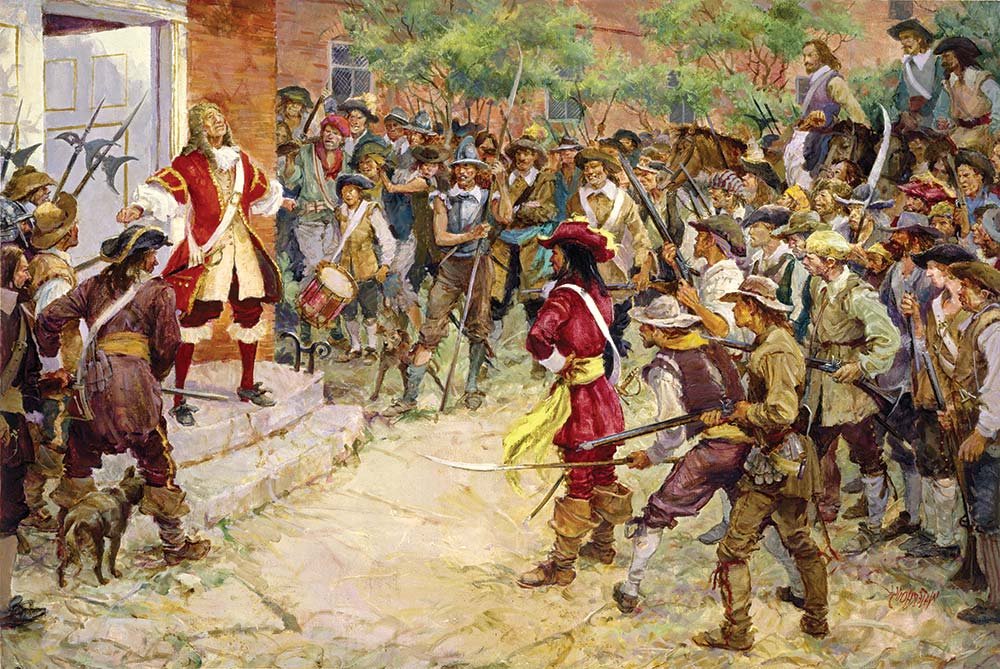
During Bacon’s Rebellion led by Nathaniel Bacon, Joseph Bridger sided with Governor William Berkeley, and in late July 1676 they fled to Arlington, the Eastern Shore home of John Custis II in Northumberland County. Bridger suffered property damage at the hands of Bacon’s forces. He returned to his home in Isle of Wight County and continued to organize men to fight Bacon’s supporters on the south side of the James River. The captain of the Young Prince ship mentions contact with Bridger several times in December 1676. The captain recorded that on 4 Jan 1677, with the ship’s crew ashore in Nansemond, “Our fort besieged by 300 or 400 men of the uplands at 12 at night, Colonel Bridger came up with the horse [cavalry].” (Reference 7) After the conflict, one of the royal commissioners investigating the rebellion described Bridger as:
“a very Resolute gentleman, who, though forced to fly in the heat of war from his own countrie, yet on his Return was very Active and Instrumental in reducing to their obedience the South parte of James River.”
Will
Joseph Bridger wrote his will on 3 Aug 1683 with provisions for his seven children, his wife Hester, and his mother Mary. However, the provision for his son Joseph Jr. was less than what was typical for the eldest son, indicating some conflict between the two men. Just two months later, in a codicil dated 18 Oct 1683, Joseph Bridger revoked the will’s provision for Joseph Jr. to share in his father’s land and property, leaving him only a small yearly allowance. The codicil states:
I finde my Sonne Joseph Bridger fly out into divers disloute courses of life and is grown very disobedient to me and that I may not be guilty of giveinge him an estate & an encouragement to Continue for the future in his wicked way of liveing I do hereby therefore revoke and disanull all and Every part of the legacies given him in the Will . . .
Their relationship deteriorated further when Joseph Bridger recorded another codicil on 9 April 1685 stating:
for divers good Causes and Consideration me there unto moveinge declare it is my Will that my Eldest Sonne Joseph Bridger is by me disinherited and Soo disinherited that neither he nor any Children of his whether male or female shall have and possess any part or portion of [my property except for £5. Moreover, he recorded this codicil in open court, so if he died] . . . without a Will or that a Will should be imbeszelled or forged my said Sone Joseph Bridger or his heyres whether male or female should pretend to any of my Estat real or Personall. (Reference 8)
The will was proved in Isle of Wight County on 8 May 1686 (Reference 9). Hester and her other sons later agreed to share Joseph Bridger’s estate with Joseph Jr. The value of Joseph Bridger’s estate, including his property and debts owed to him by others, was substantial.
Final Resting Place
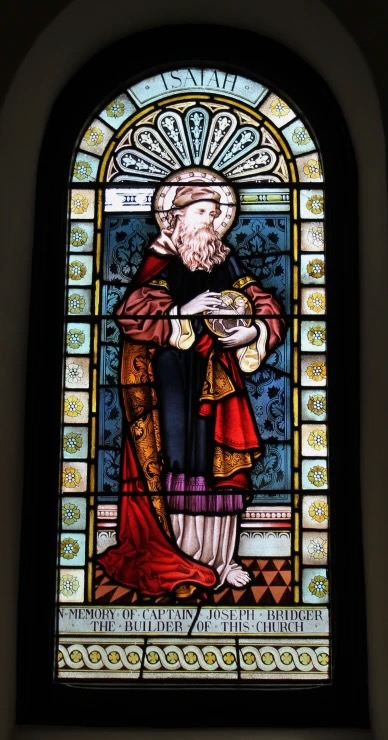
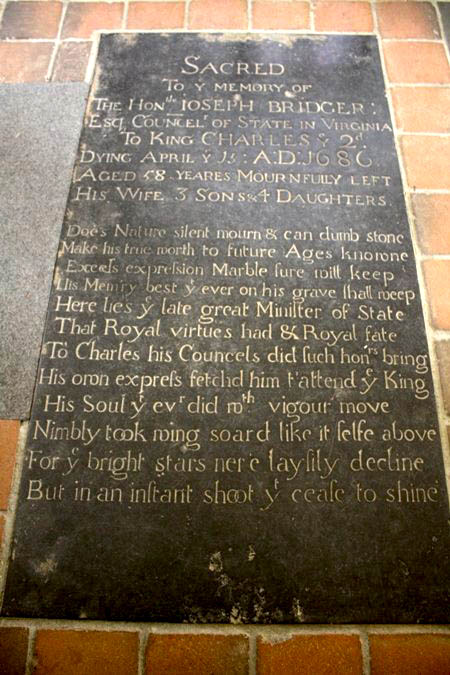
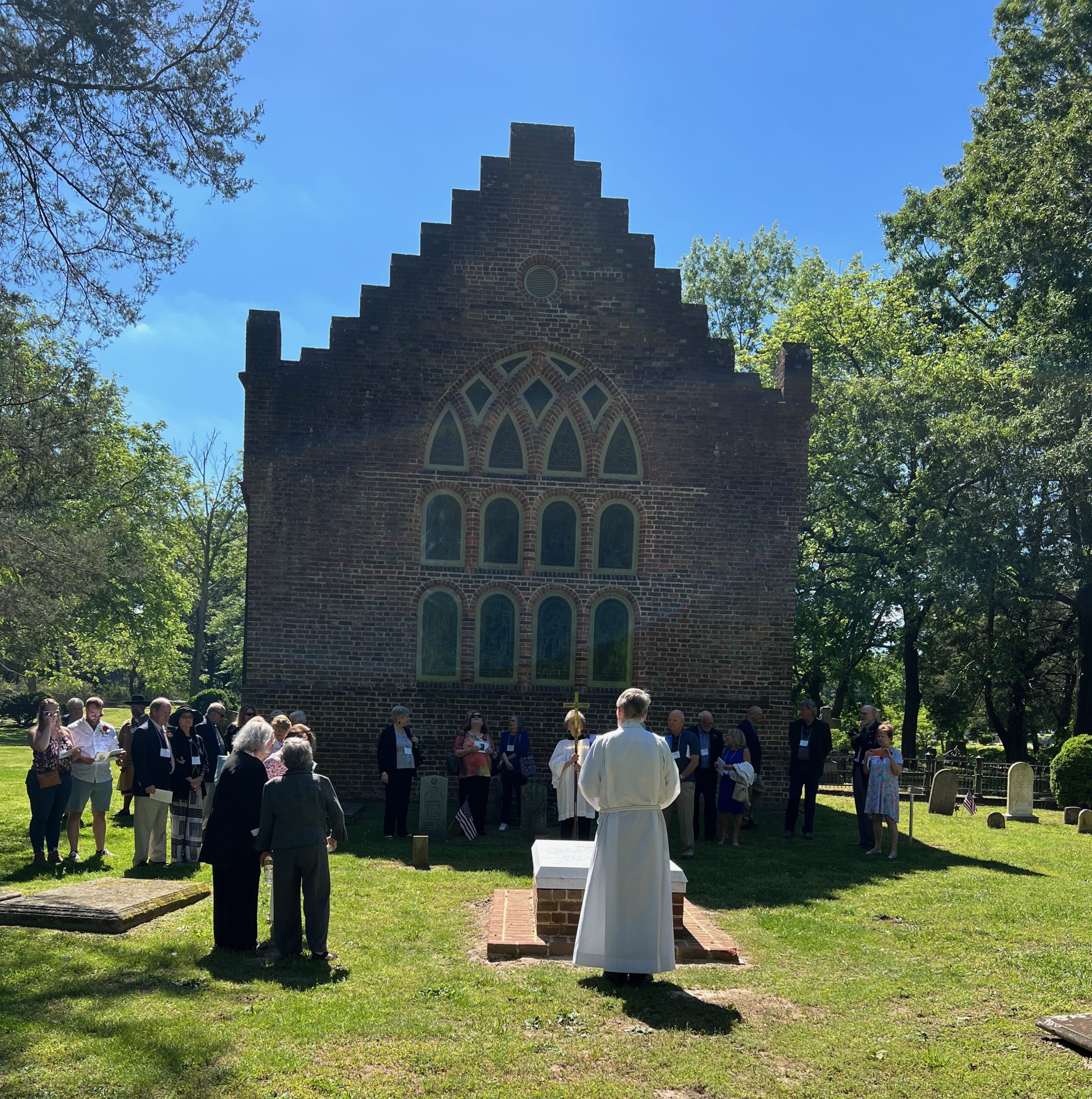
Joseph Bridger died on 15 Apr 1686, shortly before his 55th birthday, at Whitemarsh in Isle of Wight County, where he was interred. On 11 Oct 1894 his remains were moved to the chancel at St. Luke’s Church, which had benefited from his generosity during its building. He was also honored with a stained glass window in the church.
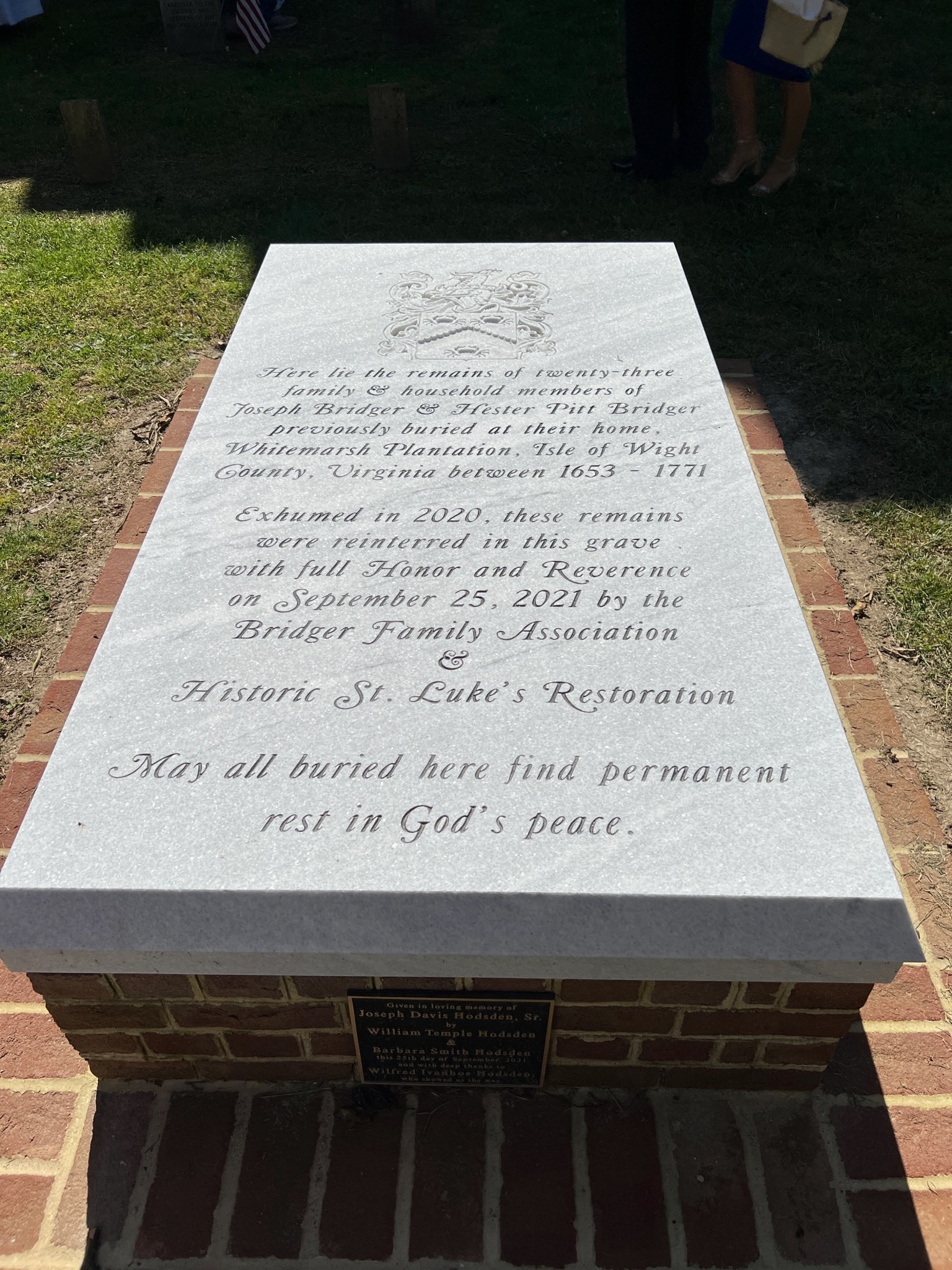
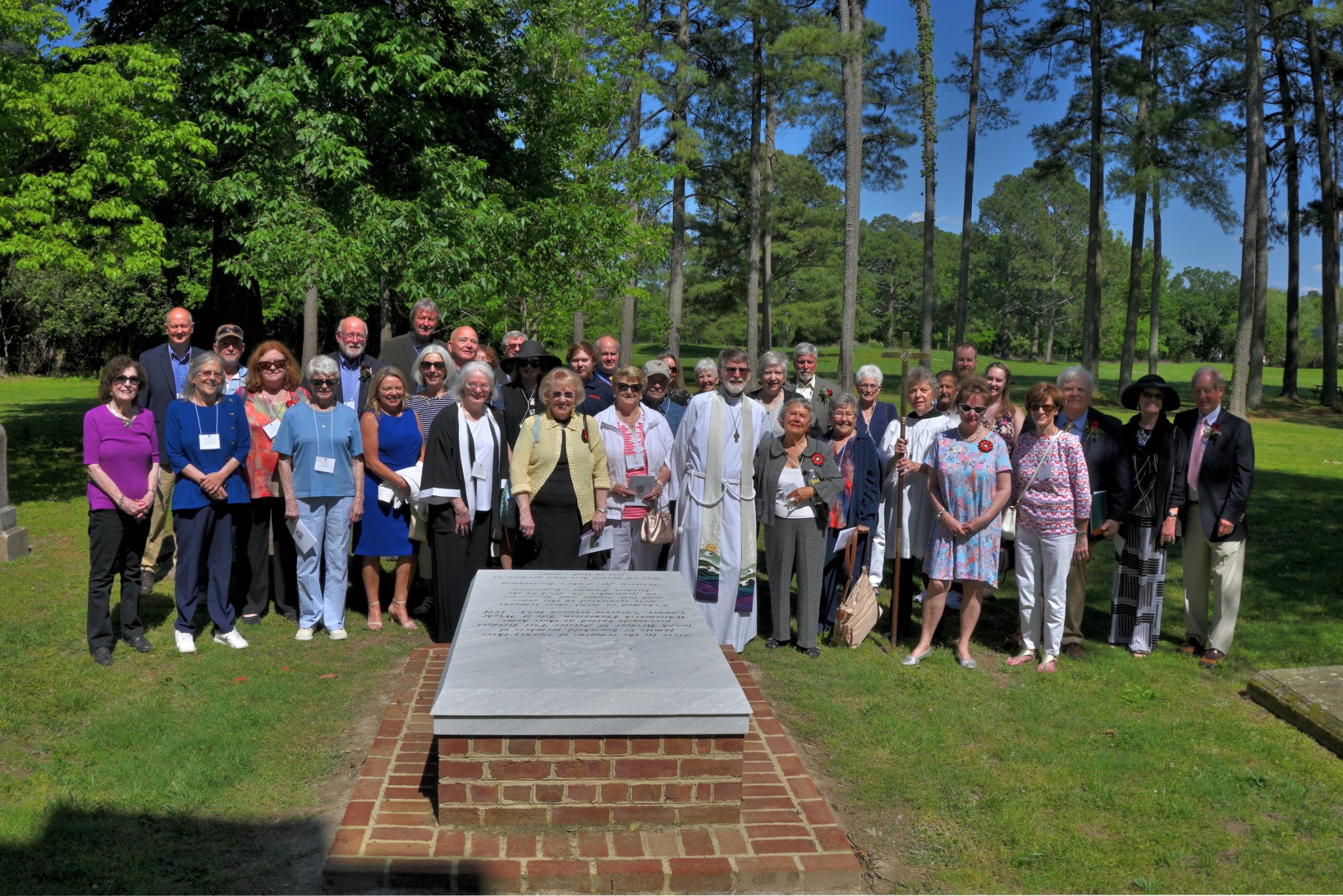
When the archaeological project at Whitemarsh discovered the unmarked family cemetery with unmarked graves on land that had been plowed over for centuries, the Bridger Family Association decided to relocate the remains. On May 17, 2022, the Bridger family held a memorial service for the 23 souls moved from Whitemarsh to a crypt at St. Luke’s Church.
More To Explore:
2021 Presentation to the Jamestowne Society–Washington and Northern Virginia Company about Joseph Bridger’s life. (By Janet Ross)
2023 Podcast: Stories From the Newport Parish: The Tumultuous Life and Times of Joseph Bridger (By John Ericson)
References
- There is no record of Joseph Bridger’s actual birth date. The ledger stone on his grave states that he was 58 years old when he died in 1686, which would indicate that he was born in 1628. However, a church record shows that he was baptized on 28 Feb 1631, and another church record has a date of 28 April 1631. At that time children were usually baptized within a few days of their birth, so being baptized at age 2 or 3 would not be likely. Therefore, the Bridger Family Association concludes that Joseph Bridger was born in 1631 rather than 1628. See discussion here.
- Boddie, John Bennett, Seventeenth Century Isle of Wight County, Virginia, 1938, Chicago, reprinted Genealogical Publishing, Baltimore, 1994, p. 423.
- Brayton, John A., “Joseph Bridger of Bursley, Gloucestershire,” published in The Virginia Genealogist, vol. 41, #3, July-September 1997, pp. 183-184.
- The Image of Joseph Bridger’s Baptismal Record from the Parish Register of Dursley, Gloucestershire, England, image 34 of 749 images, was posted on Ancestrry.com. Source Citation: Gloucestershire Archives; Gloucester, Gloucestershire; Gloucestershire Church of England Parish Registers; Reference Number: Gdr/V1/89. Source Information: Ancestry.com. Gloucestershire, England, Church of England Baptisms, Marriages and Burials, 1538-1813 [database on-line]. Lehi, UT, USA: Ancestry.com Operations, Inc., 2014. Original data: Gloucestershire Anglican Parish Registers. Gloucestershire Archives, Gloucestershire, England. Last accessed 18 November 2025.
- Joseph’s brothers John and James may have emigrated to Virginia with him.
- Merchants and Merchandise in Seventeenth-Century Bristol, Vol XIX, edited by Patrick McGrath. Bristol Record Society, 1955.
- Journal of the ship Young Prince, 1676 Sept. 19 – 1677 Jan. 29.
- Carrell II, William P. The Landed and Personal Estate of Gen. Joseph Bridger. Louisville, KY: W.P. Carrell II, Second Edition, 2007. p. 88.
- Isle of Wight County Records, 1634-1951, Probate Records, Wills and Administrations, Book 2, 1647-1719, pages 242, 253.