Overview
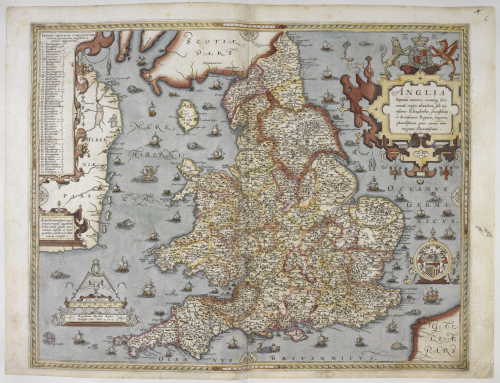
Joseph Bridger’s English ancestors lived in Godalming, Slimbridge, and Dursley, and his wife Hester’s family was from Bristol. In Virginia, the earliest Bridger families lived in Isle of Wight, Surry, and Nansemond Counties. Some later generations first moved to North Carolina, then on to Tennessee, Kentucky, and Georgia. Later generations moved on to Alabama, Mississippi, and Texas. Now there are Bridger descendants in many other states and countries. Along the way some added an “s” to their name, and some dropped the “r” — but they were still a Bridger.
Godalming
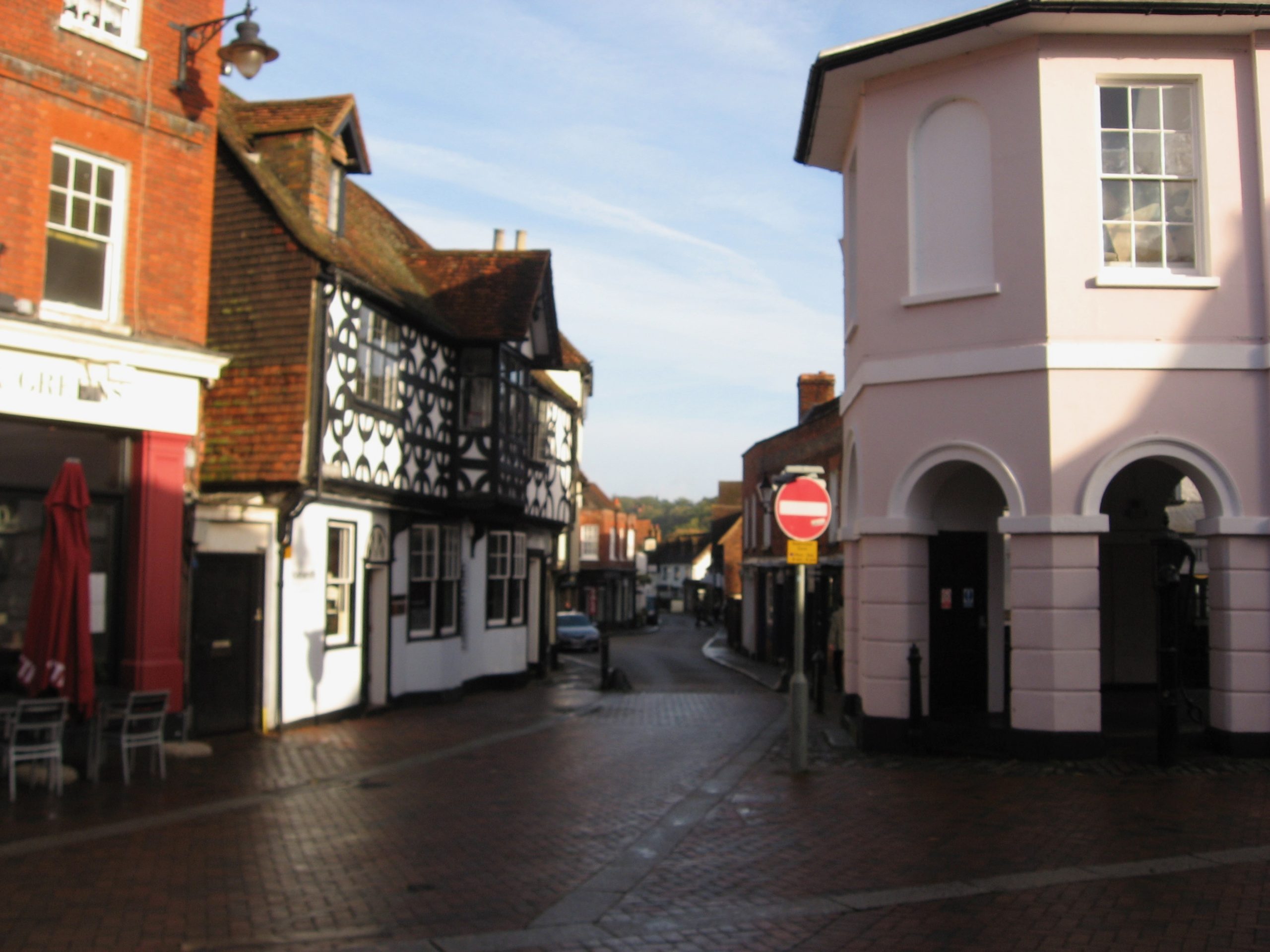
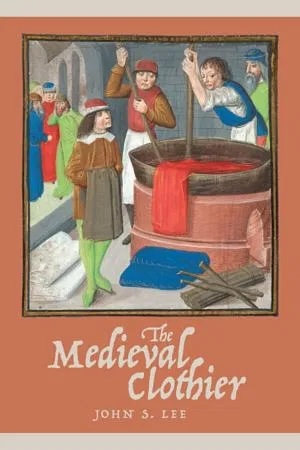
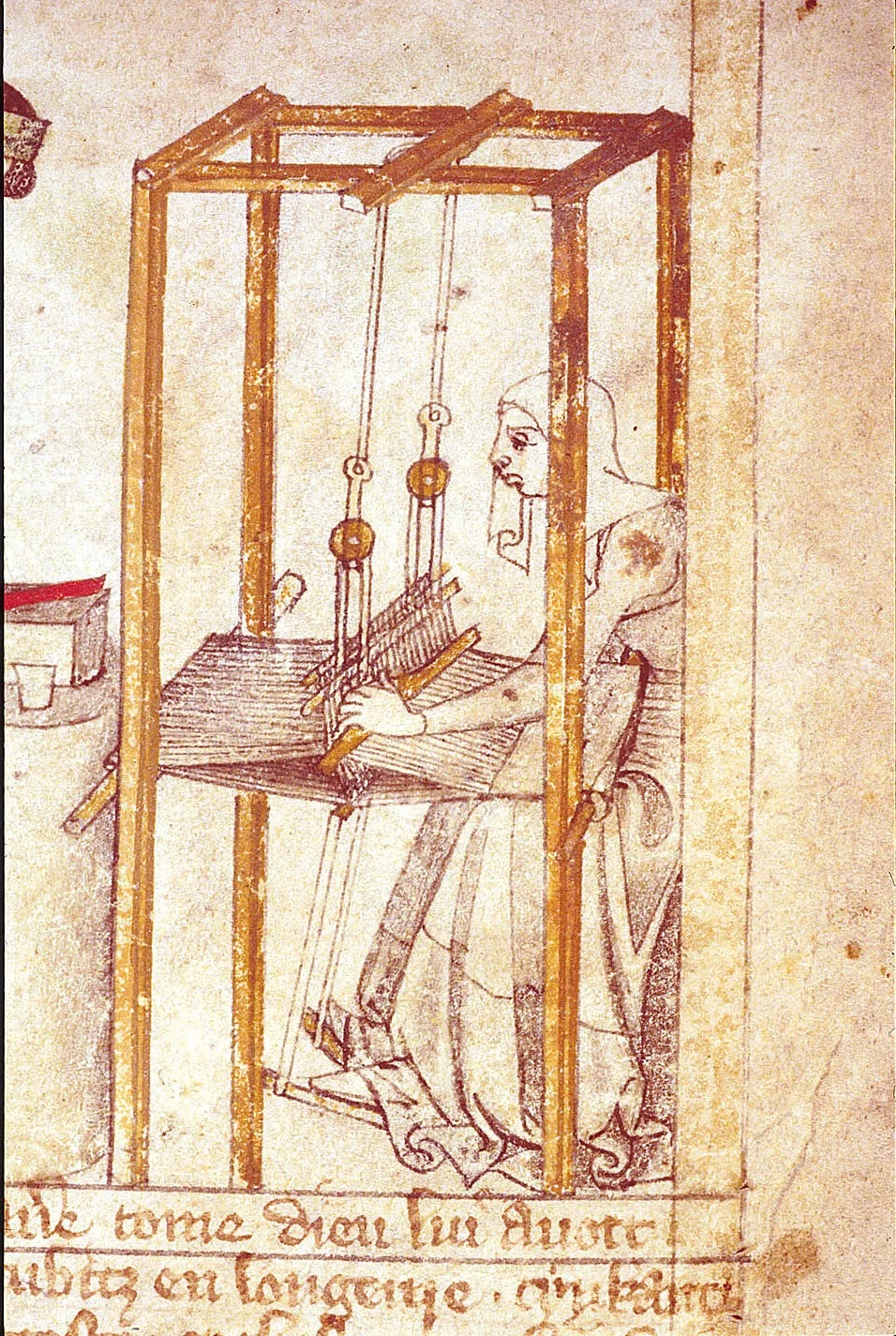
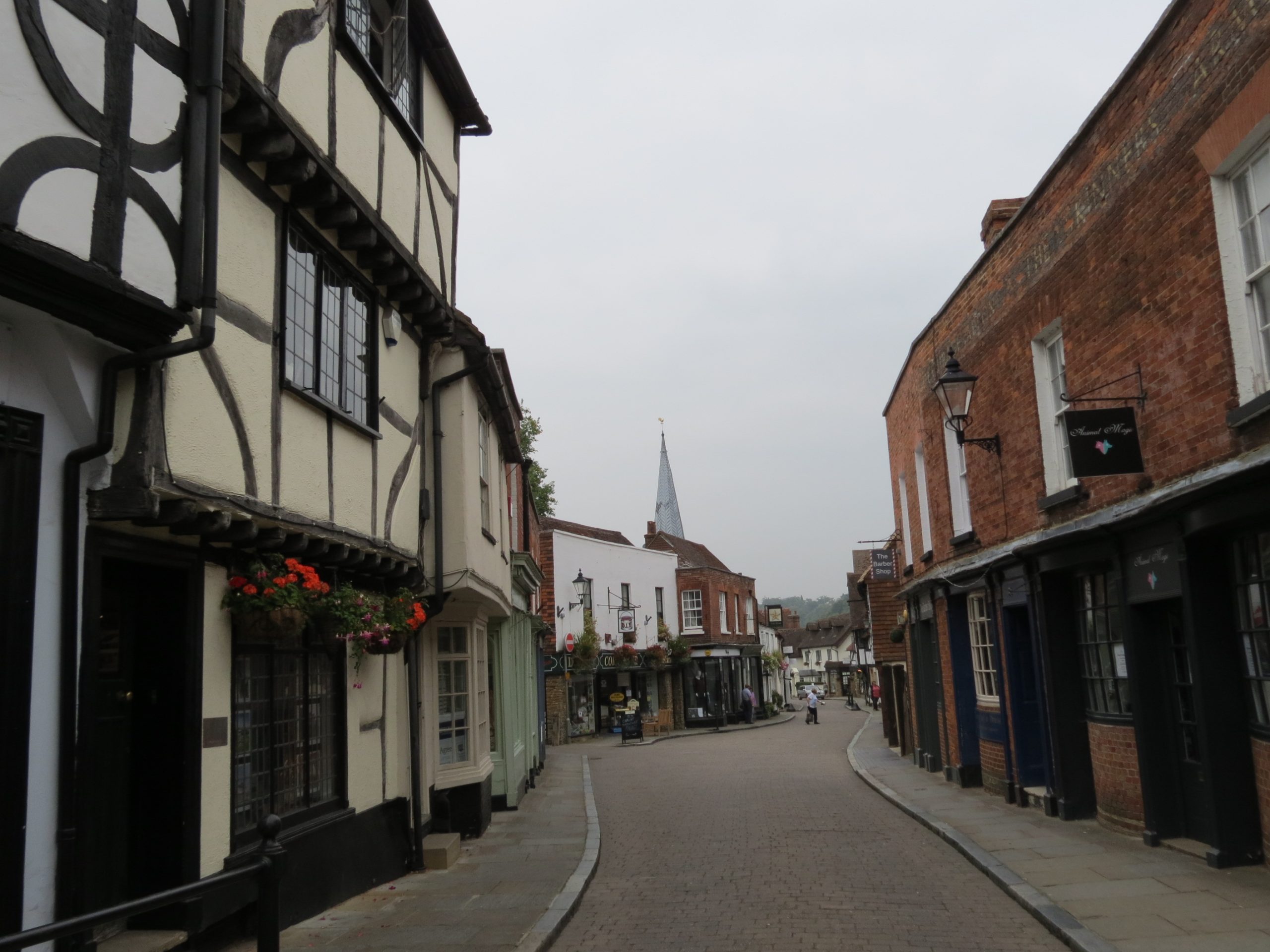
Godalming is an historic market and coaching town located in southwest Surrey, four miles from Guildford and 30 miles from London. Saxons settled in the area in the 5th century, and the town was mentioned in the Domesday Book in 1086. Godalming’s location on the Wey River, the availability of local sheep, and ample deposits of clay led to the manufacture and dying of woolen cloth in the town. The industry prospered in Godalming from around 1300 to the mid-1600s. The fulling mills specialized in kersey, a coarse cloth, dyed blue. The industry declined in the middle of the 17th century. Several buildings in Godalming date back to the 1400s, although much altered.
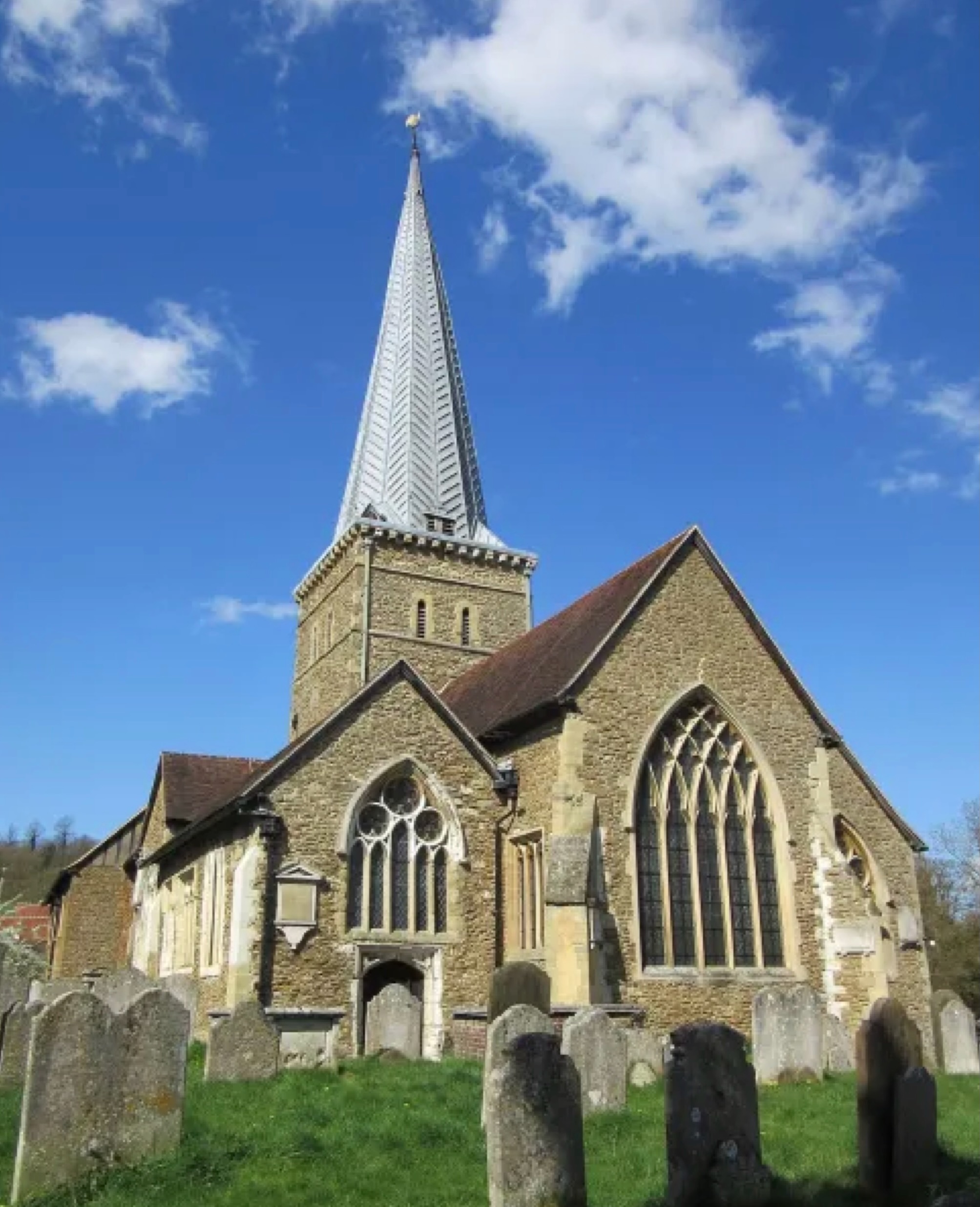
Joseph Bridger’s earliest known ancestor, his great-great-grandfather Henry Brygger, lived in Godalming, where he died in 1521. Henry’s wife is unknown. His will distributed several properties to his children, including a dye house in town, which indicated his association with the cloth-making industry. He asked in his will to be buried at the Parish Church of St. Peter and St. Paul. The first church on the site was built between 1000 and 1050, though no remains of this Saxon-era church are visible today. The church was enlarged in the 1100s during the Norman era and has undergone several alterations since then. The parish church would have been the center of both the religious and social life of the community.
Henry’s son Richard was born in Godalming about 1510 and may be the Richard Bridger Sr who was buried in 1593 at St. Peter and St. Paul. He married Margery Elliott. Richard died without a will, so the disposition of his property is unknown.
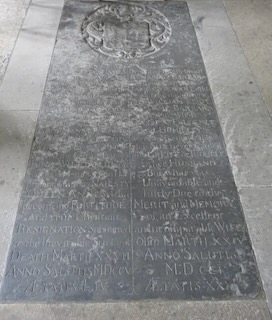
Other Bridger family members also were interred at St. Peter and St. Paul. An 1804 book listed some monumental inscriptions inside the church honoring Bridgers who died in 1656, 1658, 1724, 1738, and 1759. An 1880 booklet noted two marble slabs with illegible inscriptions believed to be placed by the Bridger family. (Reference 1) These monuments may have been removed during church renovations. The church is also the resting place of members of the Elliott family. (Reference 2)
More To Explore:
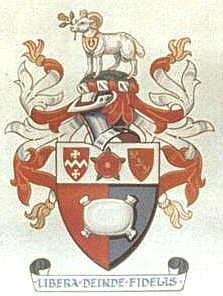
Slimbridge / Gossington Hall
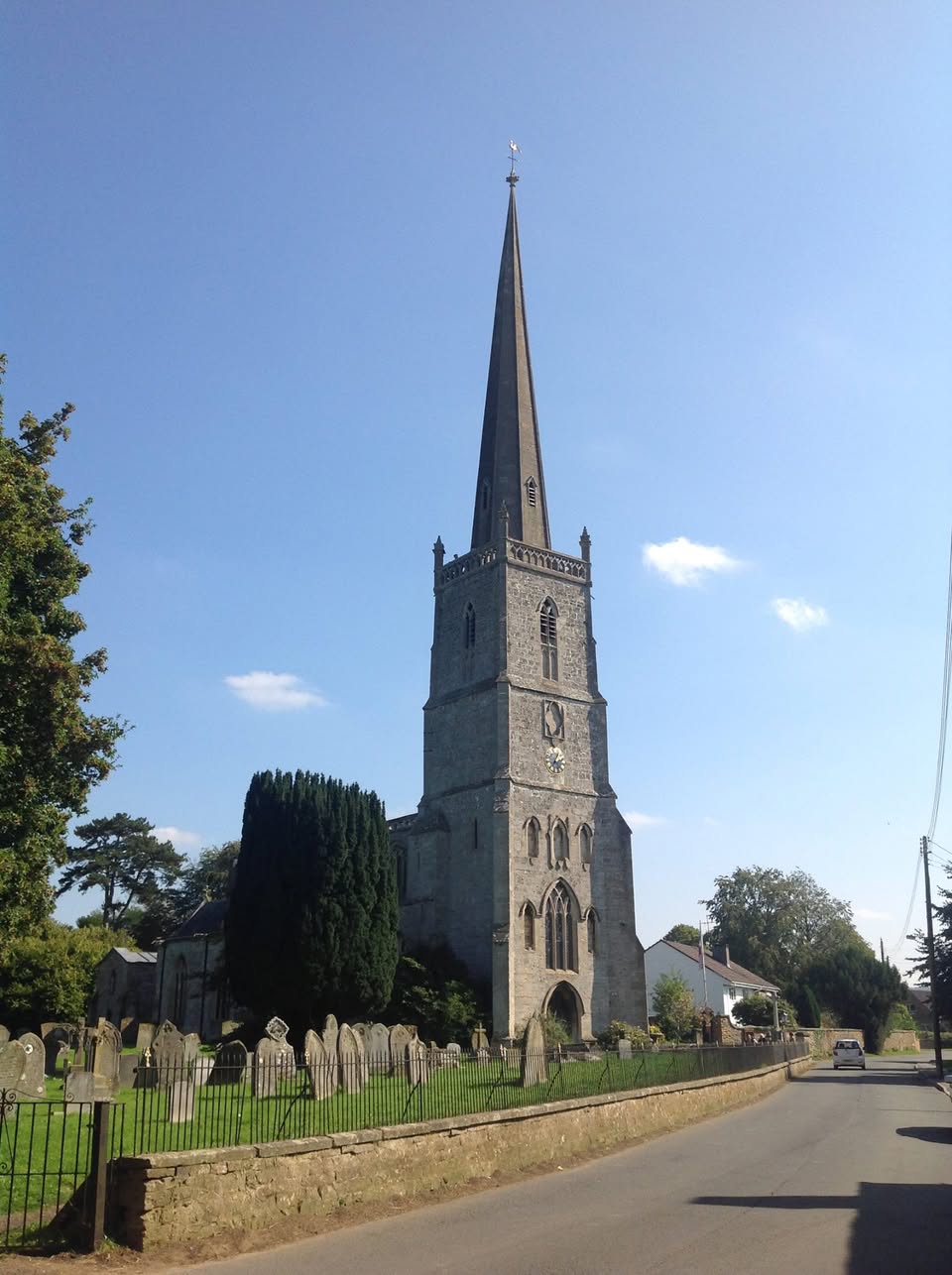
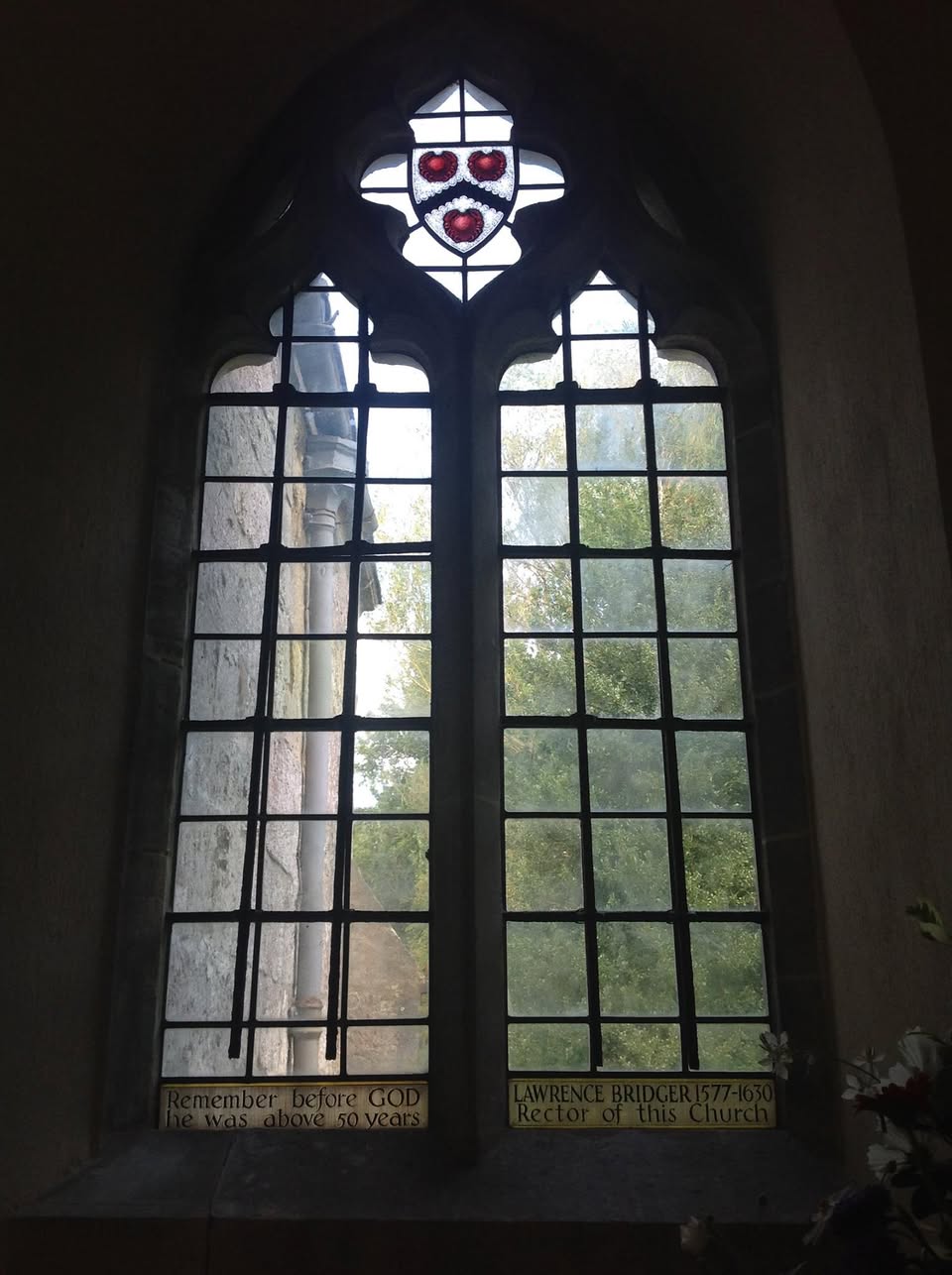
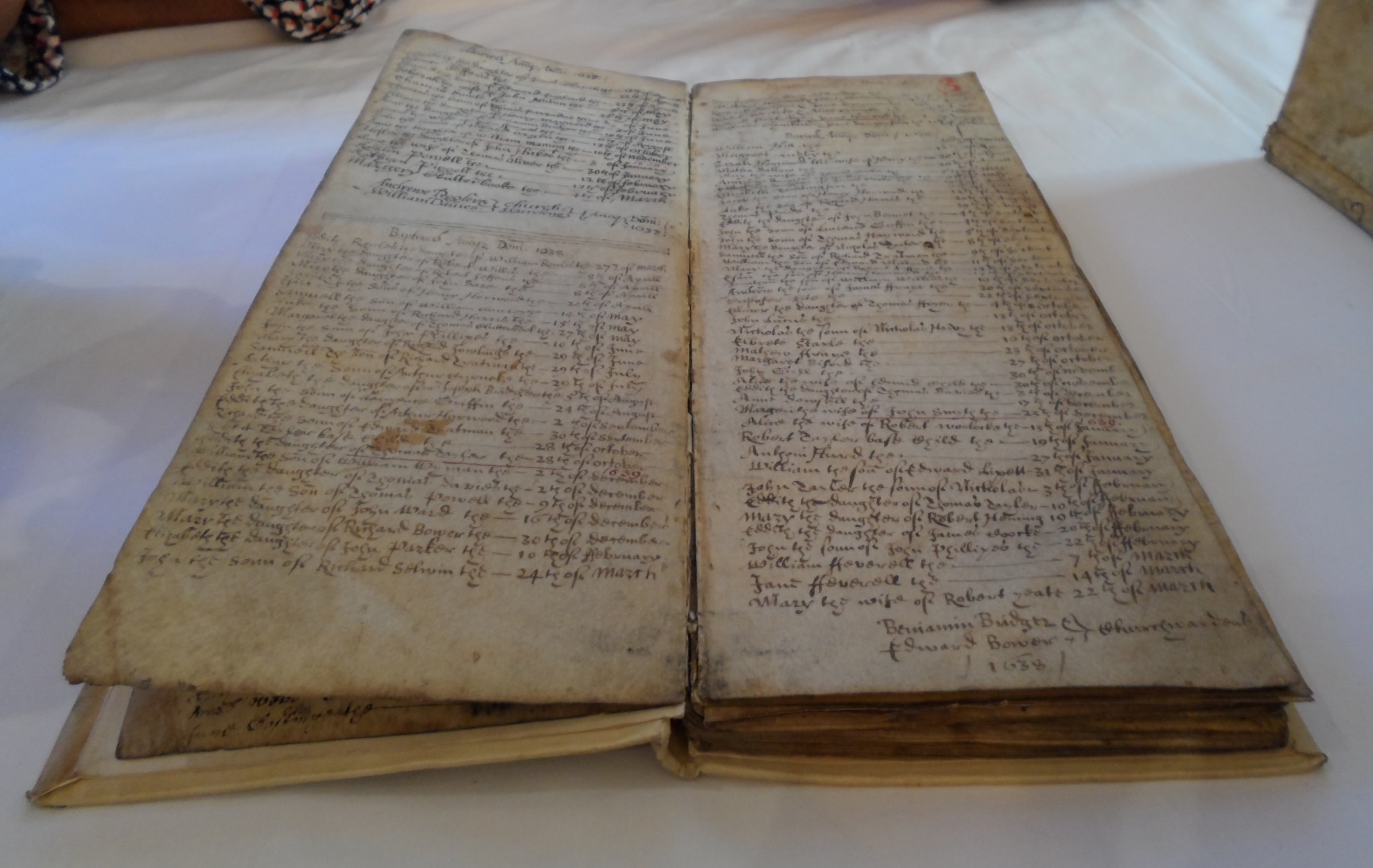
Lawrence Bridger, upon receiving his M.A. from Magdalen College, Oxford, was recommended to the office of Rector and Clerk of St. John the Evangelist Church, Gloucestershire, Slimbridge by the President of Magdalen College and was invested with the office by Queen Elizabeth I at Windsor Castle on 11 October 1577. He served as Rector until his death in 1630 and was buried in the church. Lawrence was the father of Samuel Bridger, and the grandfather of Joseph Bridger of Isle of Wight Co., Virginia.
The church building dates to the 13th Century. Some repairs and updates have been made over the years, but there are many original features, discussed here, including The Devil’s Door in the north wall. On 30 Jun 1996, a new window in the North Wall of the chancel and adjacent to the altar was dedicated in memory of Lawrence Bridger. The window, which incorporates the Bridger coat of arms, was made possible by the generosity of American Bridger descendants.
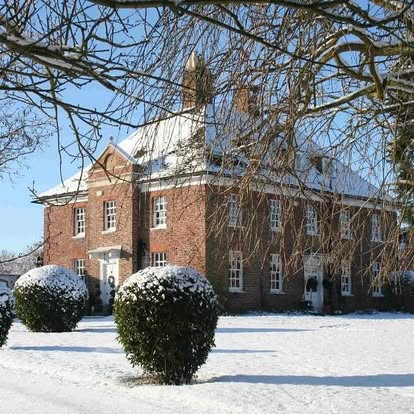
In 1618 Lawrence Bridger purchased Gossington Hall with 60 acres of land from John Smyth of Nibley, a steward of the Berkeley family. Lawrence married three times and died in 1630. In his will he makes bequests to 10 children, Samuel, Lawrence, Joseph, Benjamin, Arthur, Elizabeth, Faith, Mary, and Anne. Samuel was the eldest son by his first wife, and Joseph was the eldest son by his second wife. Lawrence willed the Gossington Estate to Joseph, who was living there in 1639 and died in 1647. The property passed into the John Essington family through a Bridger/Essington marriage. The current house is said to date from 1695.
More To Explore:
- A Short History of Slimbridge
- Slimbridge Local History Society
- Notes, Historical and Architectural on the Church of St. John the Evangelist (1845)
- Slimbridge Genealogy
- A house named “Gossington Hall” was the setting for a murder in Agatha Christie’s book The Body in the Library.
- The Cotswald Gardening School is on the grounds of Gossington Hall.
Gloucester / Dursley / Woodmancote
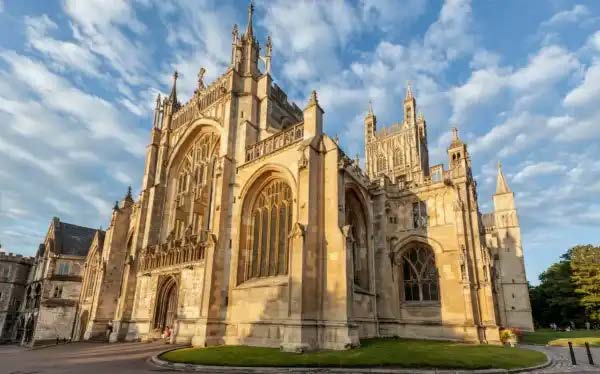
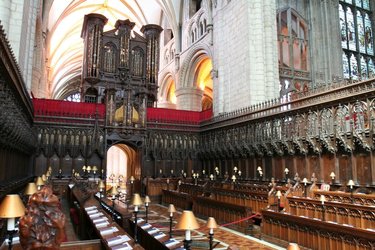
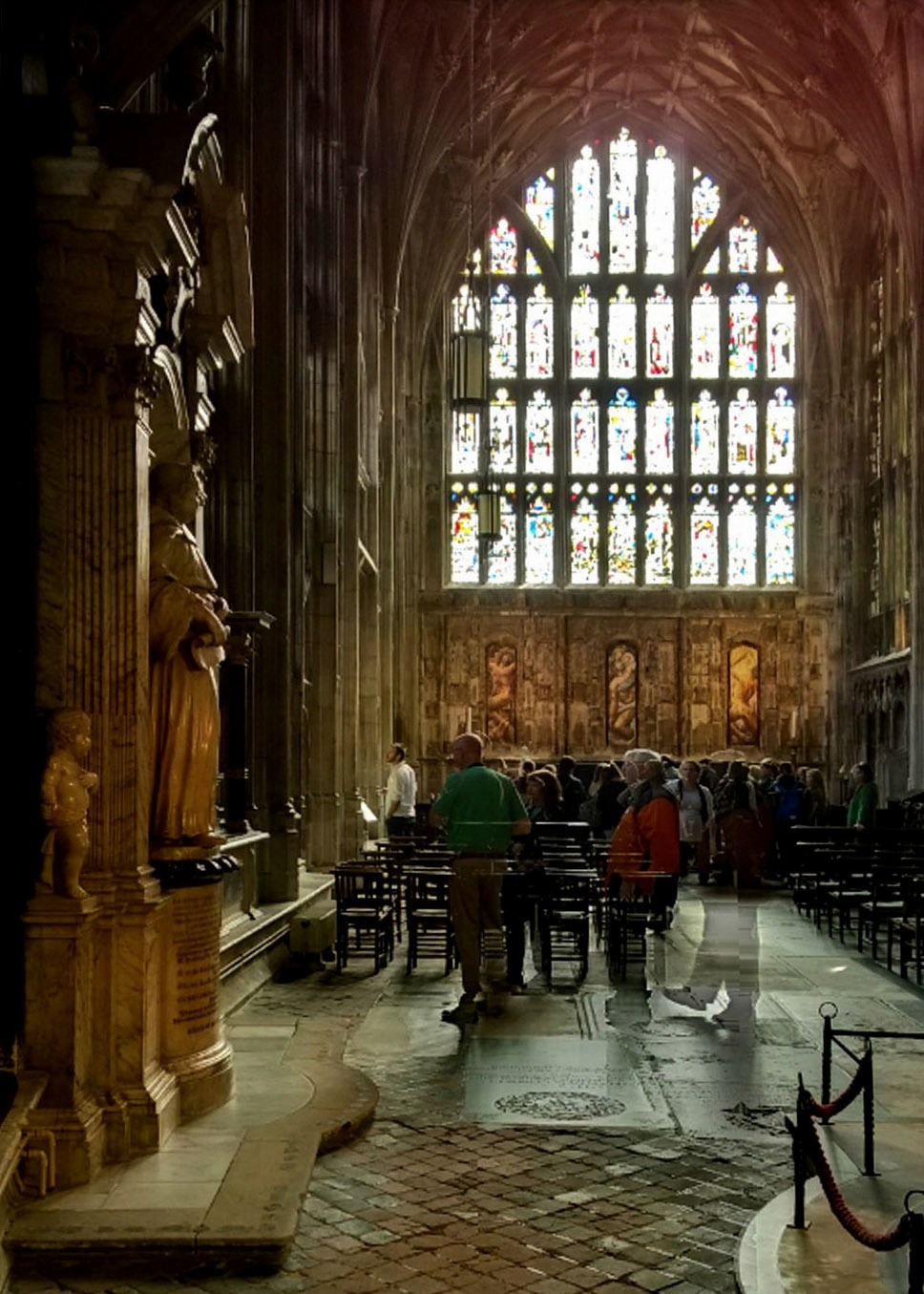
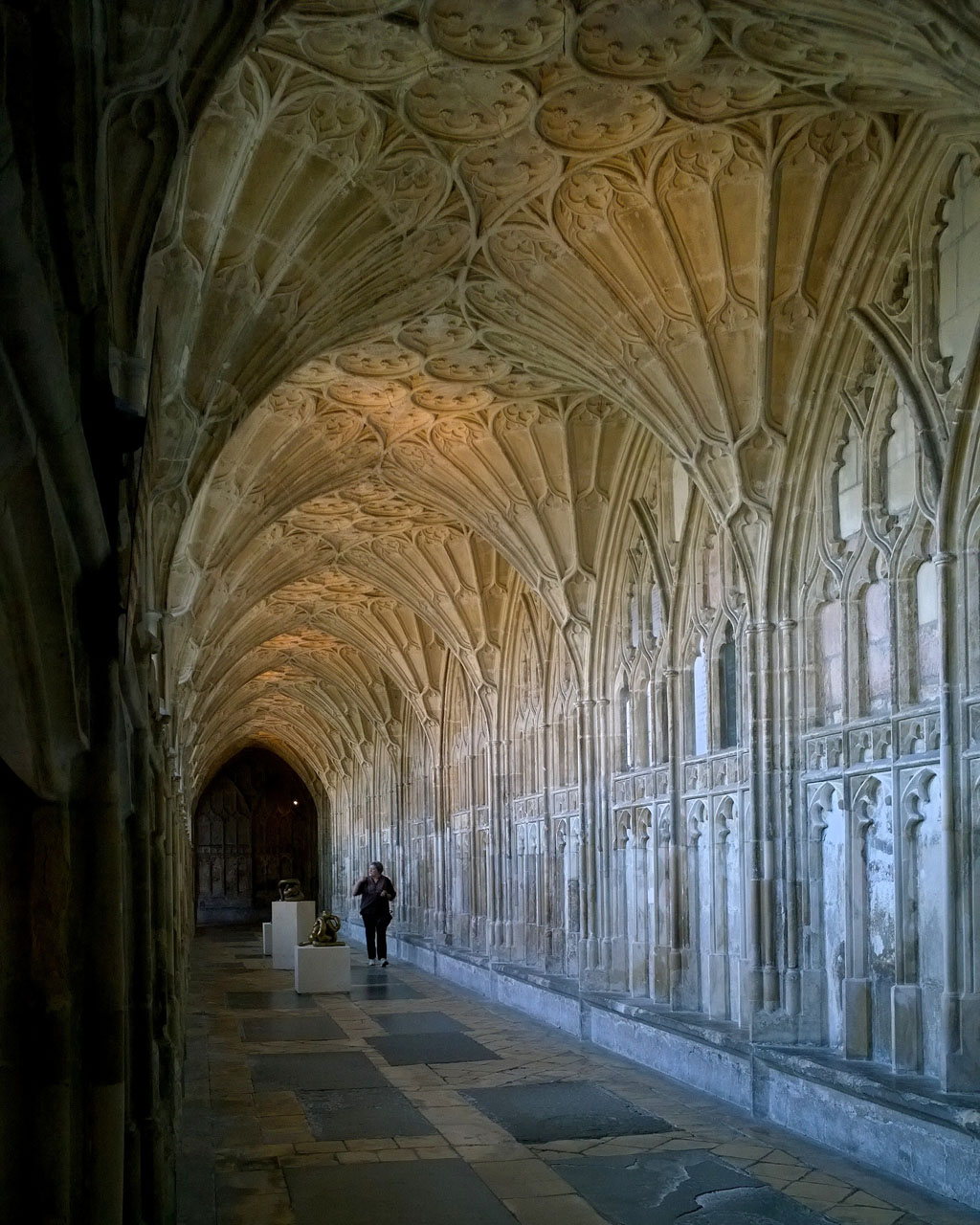
Joseph Bridger’s father, Samuel Bridger, after studying at Magdalen College, Oxford, became Auditor to the Dean and Chapter, the governing body, of Gloucester Cathedral in the early 1600s. During the First English Civil War the cathedral sustained minor damage. Samuel would have been there during the Siege of Gloucester in 1643. He died on 31 Jul 1650 and was buried in the Lady Chapel in the cathedral.
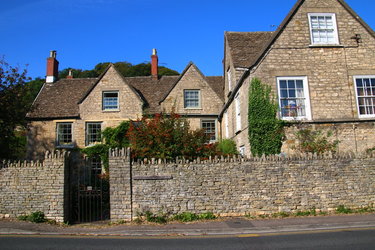
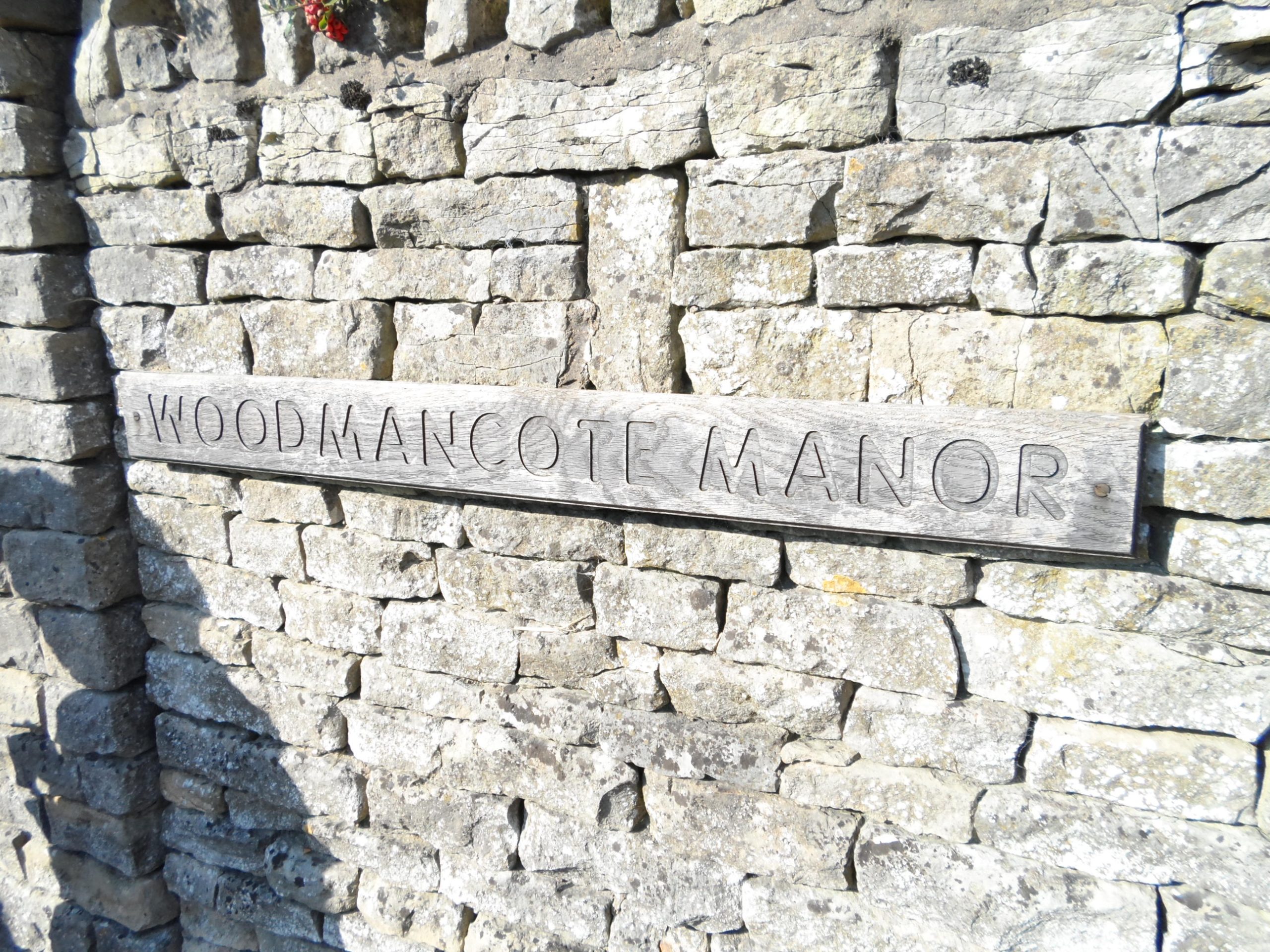
Samuel lived at Woodmancote Manor in Dursley, Gloucester, which is 4 miles from Slimbridge and 16 miles from the Gloucester Cathedral. Dursley sits along the River Ewelme in the Vale of Berkeley. Samuel and his wife Mary Purchase had eight children. Joseph Bridger was born at Woodmancote in 1632. The age and history of the home is unknown.
More To Explore:
- Dursley History
- Dursley Heritage Centre
- Dursley Today
- The Dursley family name in the Harry Potter books was taken from the town of Dursley.
Whitemarsh
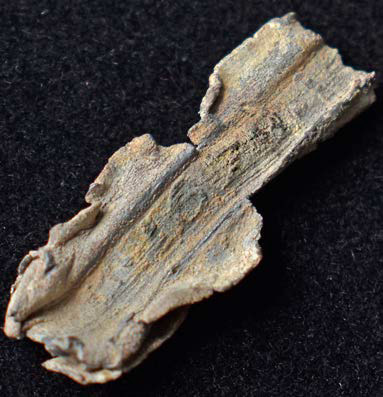
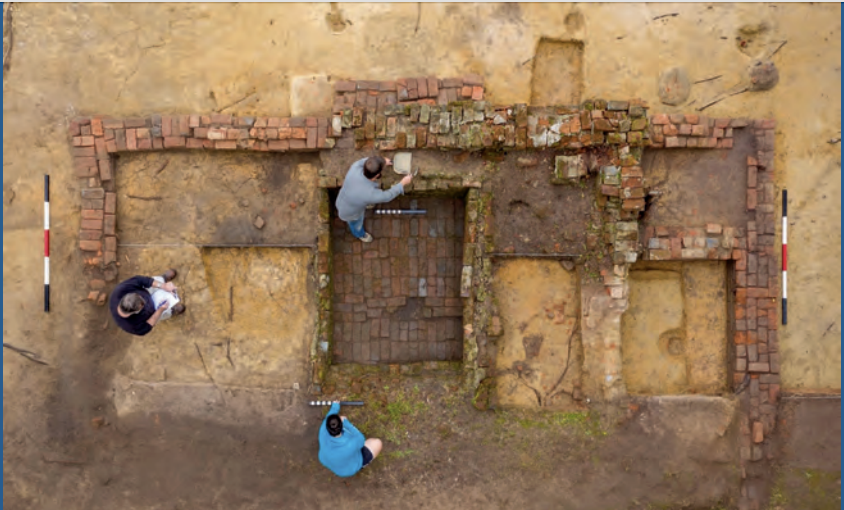
Joseph Bridger and his wife Hester Pitt built their home Whitemarsh in Isle of Wight County, Virginia, where they raised seven children and lived until their deaths. No plans or drawings exist to confirm the appearance or style of architecture of the house, which was built entirely of brick, a rare choice for Virginia homes in the 1600s because of the costs. A manufacture date of 1678 was found in a window lead, indicating the likely year of completion.
Following Joseph’s death, Hester and her children continued to live at Whitemarsh. The house, which was built in a location with poor drainage, eventually deteriorated by 1738. Some visible brick ruins remained of one corner of the structure. Whitemarsh’s land eventually passed out of the Bridger family, and the house site was plowed over and farmed for almost 300 years.
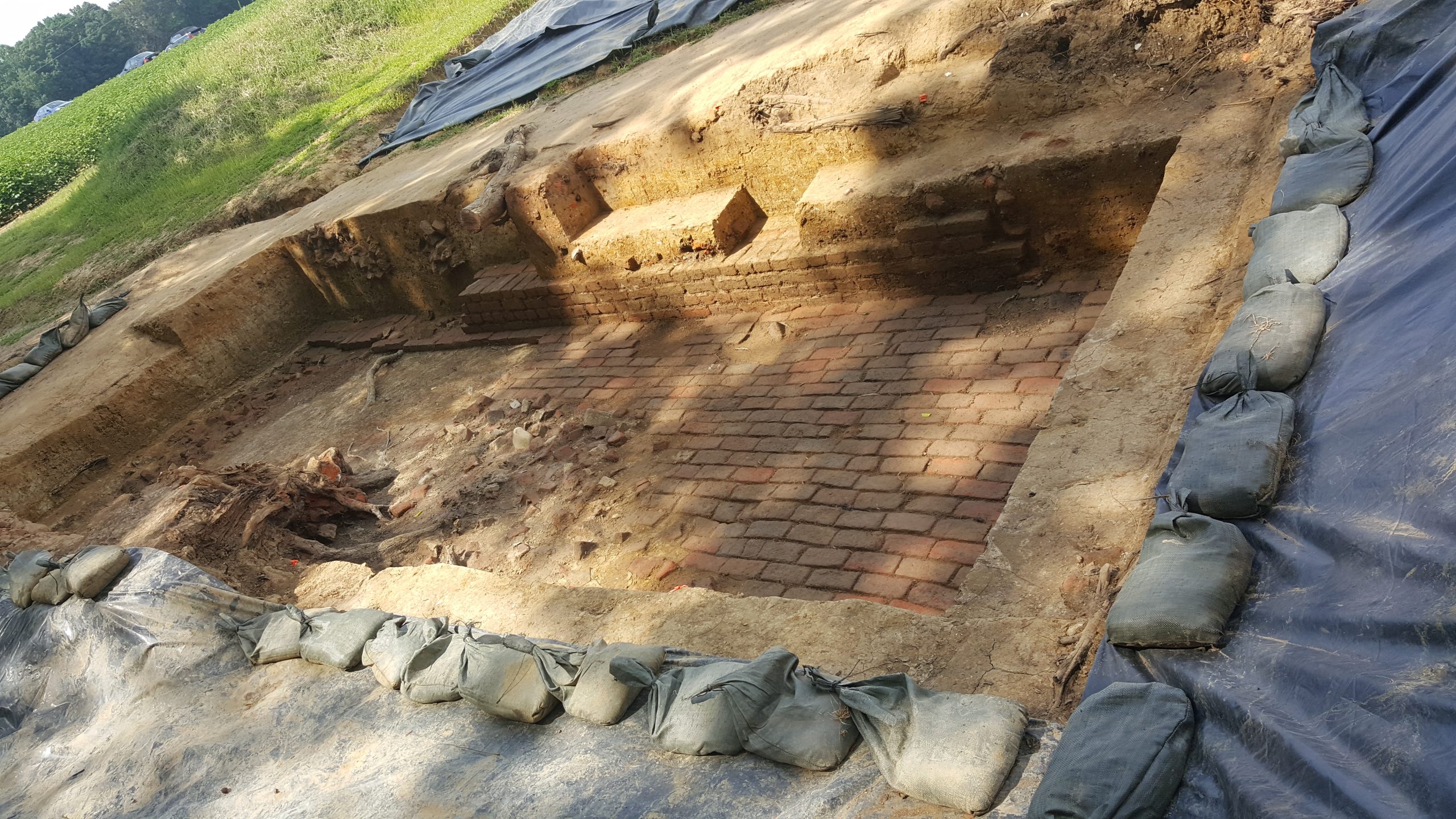
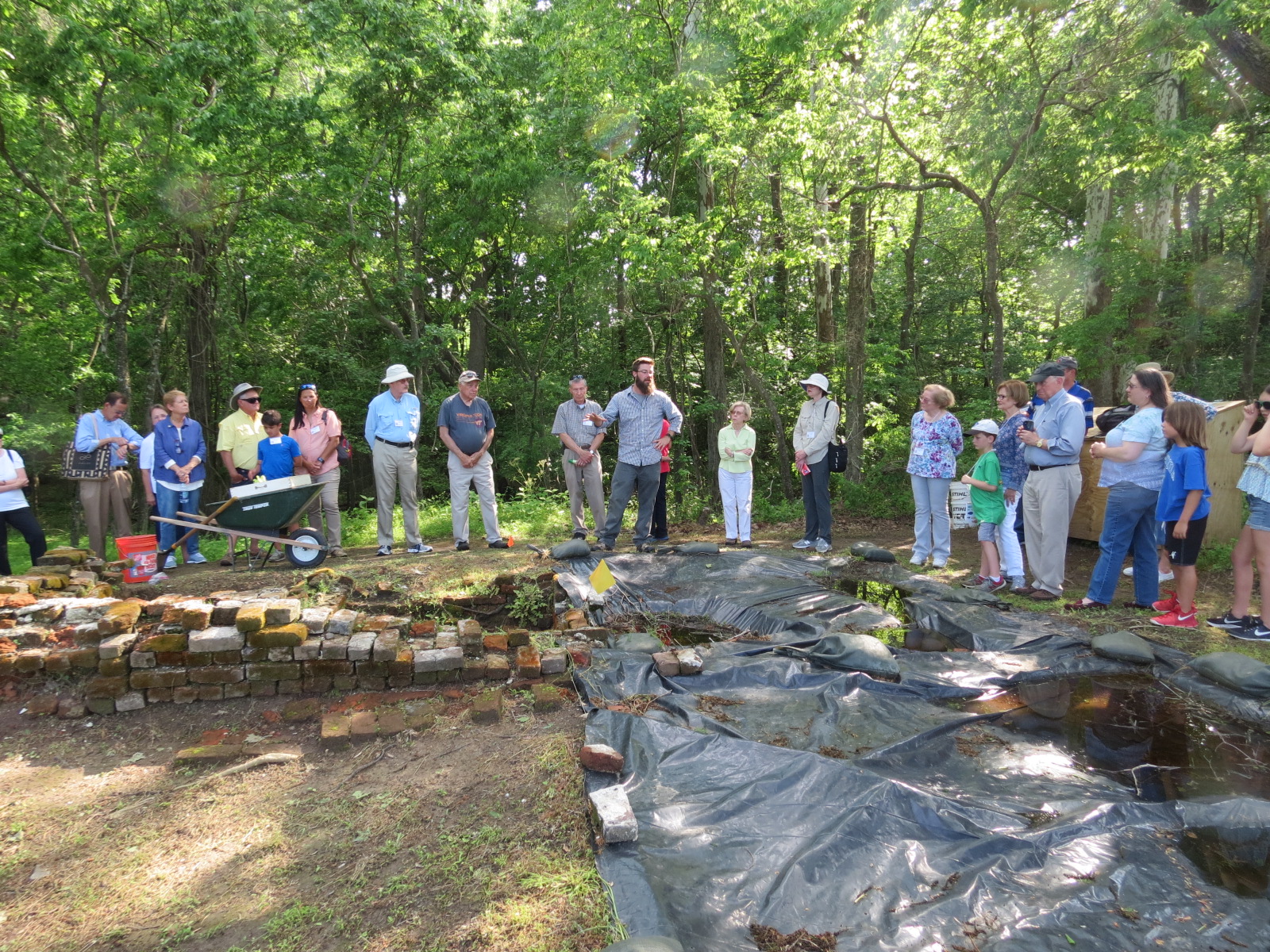
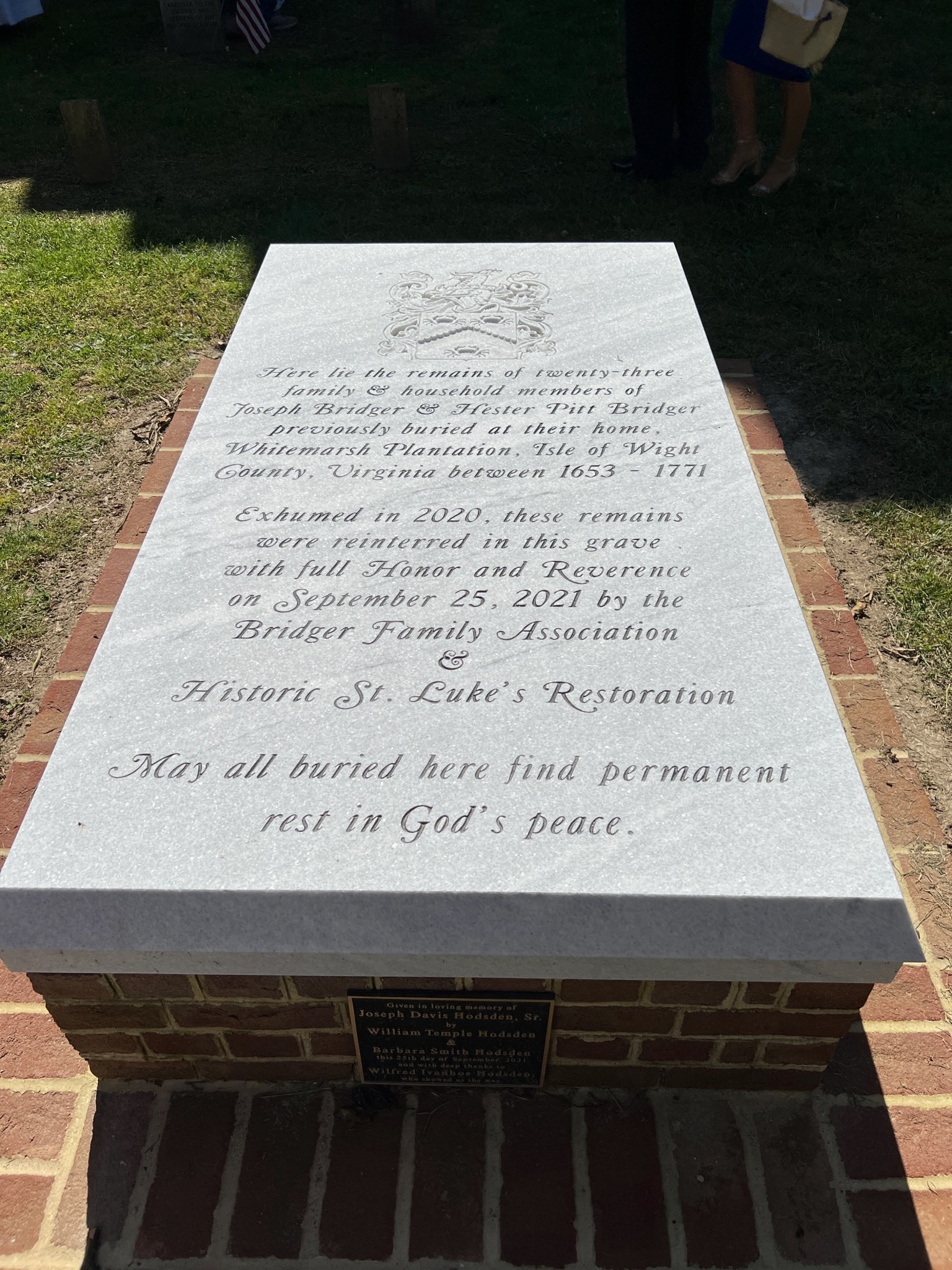
In 2009, the owner of Whitemarsh allowed the Bridger family to have archaeologists look for Joseph Bridger’s original grave. In 2010, two graves were found. After the owner of the Whitemarsh farm died in 2015, eight members of the Bridger Family Associaton purchased 10 acres from the estate on February 23, 2017. The land contained the site of the Bridger home and its family graveyard. Funded by more than $500,000 in donations from individual donors, members of the Bridger Family Association, the Towne Bank Foundation, the Cabell Foundation, other foundation and corporate grants, and Board Members of Historic St. Luke’s Restoration, archaeological work began at the site in April 2017 and ended in 2023. The excavation revealed the foundations for an 8,000- to 9,000-square-foot brick house, which was expected based on the 21-room inventory of Joseph Bridger’s estate made in 1686. Building this large home would have required a large number of laborers and craftsmen. More than 60,000 artifacts were recovered at the site, some of which are displayed at St. Luke’s Church. A final report of the archaelogical project is underway.
More To Explore:
- Whitemarsh Inventory 1686 (PDF Download)
- The Virginia Gazette, April 6, 1739 (PDF Download)
- 2011 Archaeological Study (PDF Download)
- 2015 Achaeology Update (PDF Download)
- A Dream Come True: Gen. Joseph Bridger’s Whitemarsh
- Spring 2018 Historic St. Luke’s Newsletter
- Fall 2018 Historic St. Luke’s Newsletter (page 2)
- Spring 2020 Historic St. Luke’s Newsletter (page 6)
- Fall 2020 Historic St. Luke’s Newsletter (page 6)
- 2020 Archaeology Site Visit (Video Download)
- The Isle of Wight Museum has some artifacts taken from Whitemarsh in earlier archaeological searches.
Jamestowne
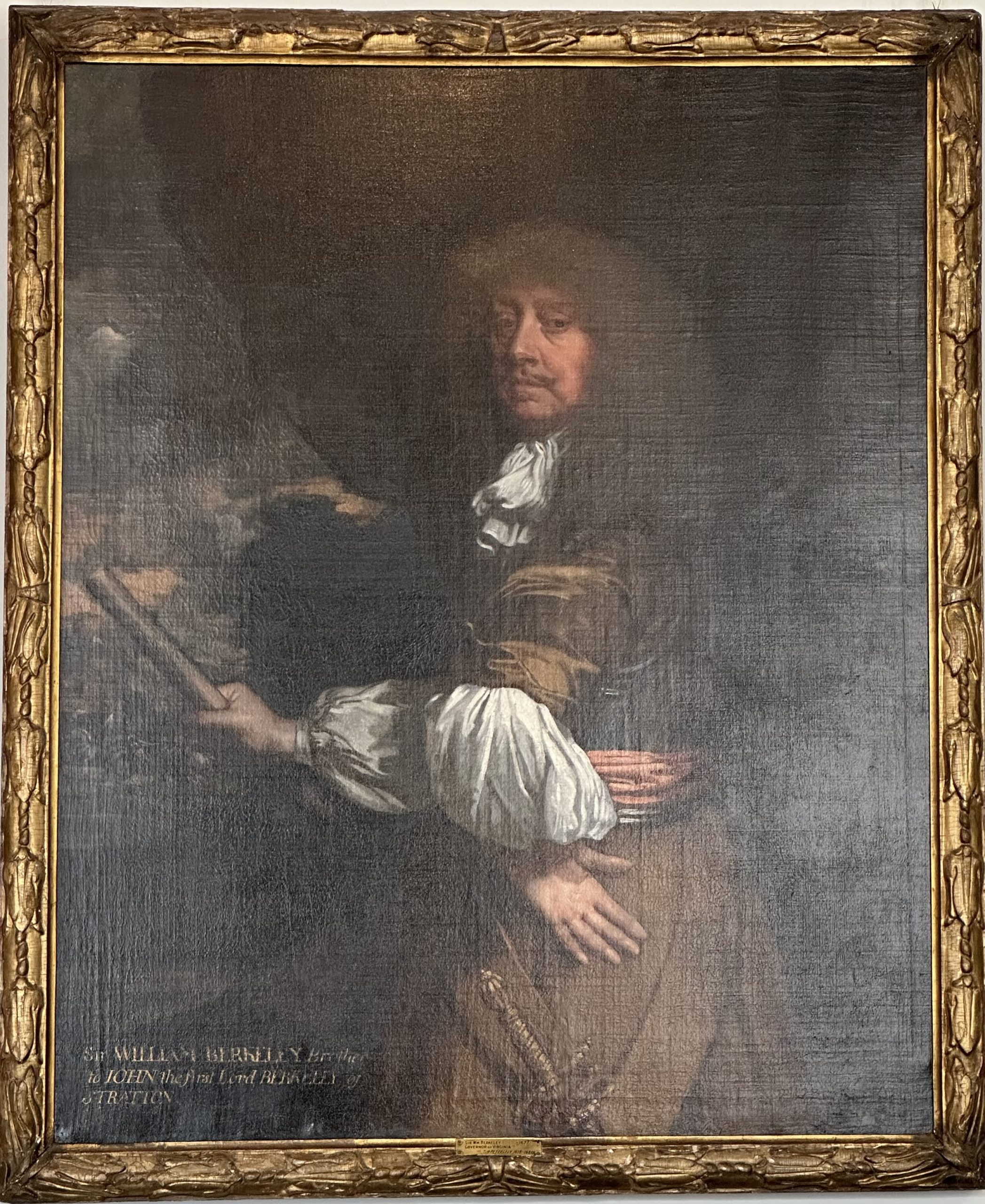
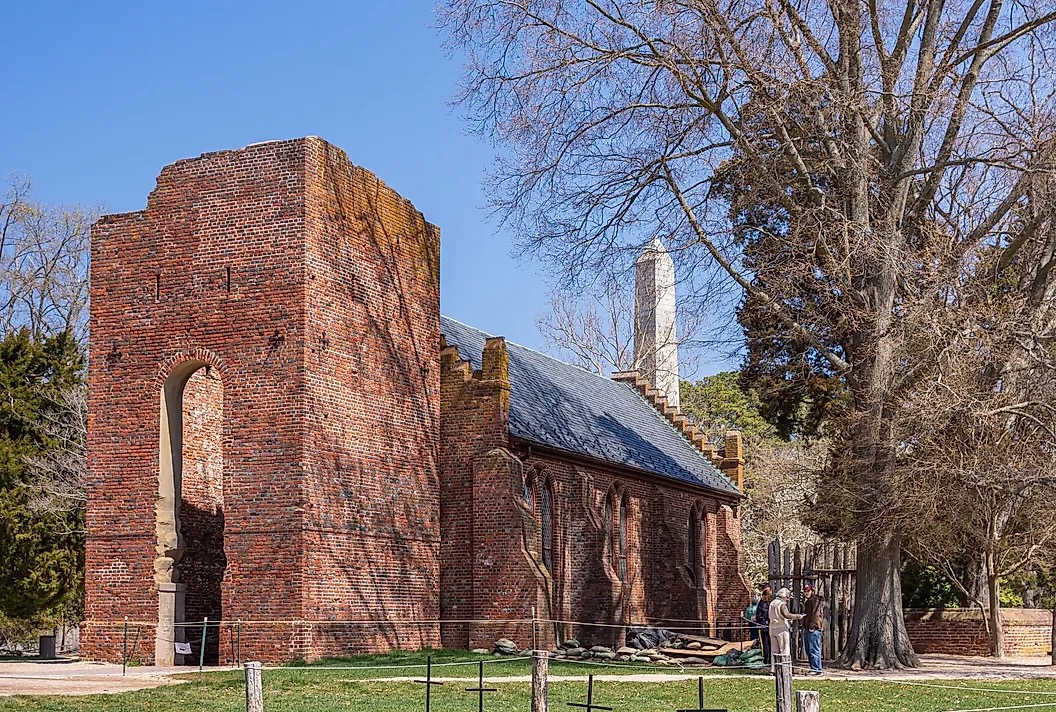
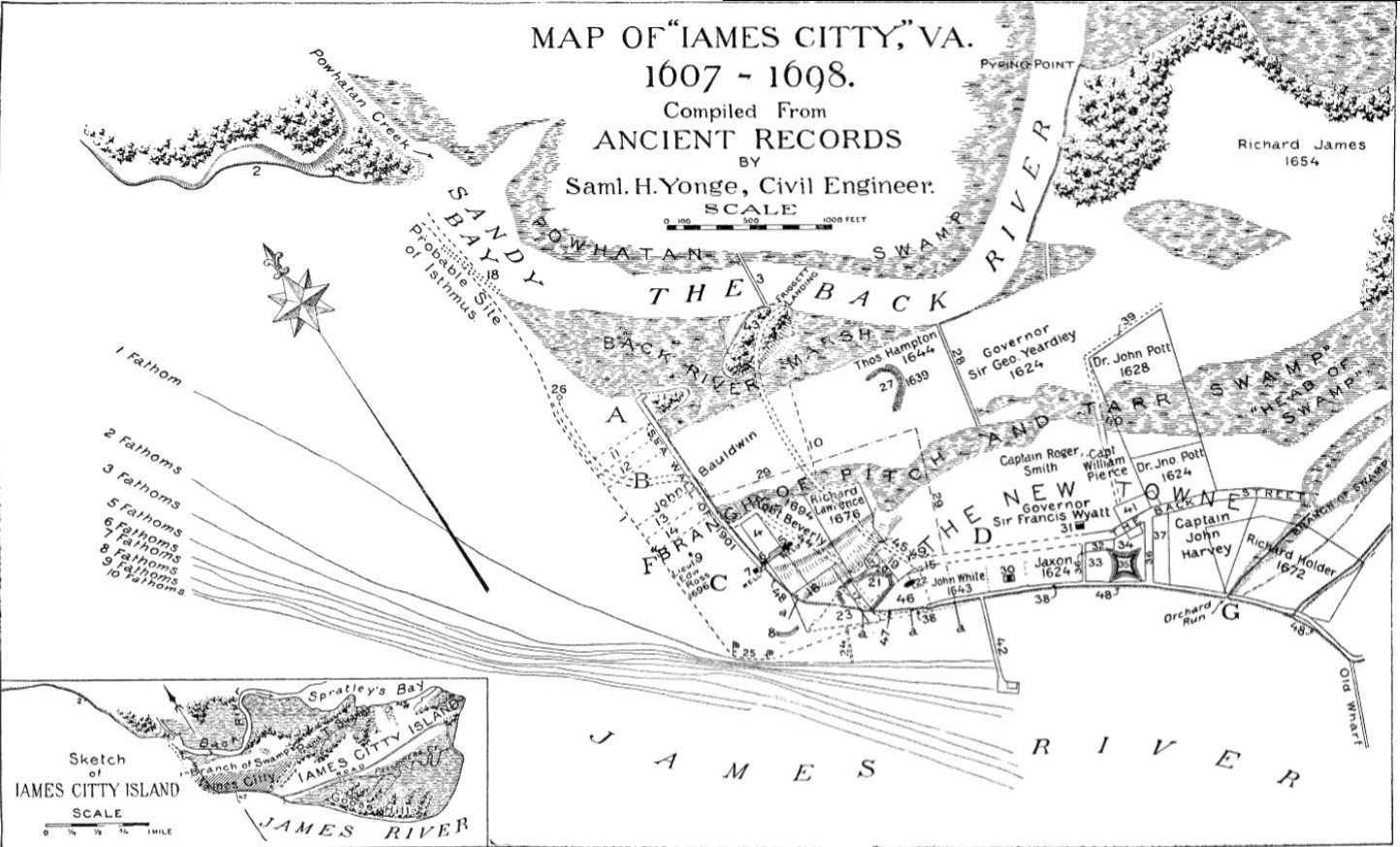
Joseph Bridger served in the House of Burgesses in 1658 and 1661-1672, which met in Jamestowne. In 1673, he was appointed to the Governor’s Council of State and General Court, which met at least twice yearly for several weeks. After Jamestowne was burned during Bacon’s Rebellion in 1676, the Privy Council in England instructed Virginia’s Governor Lord Culpeper to rebuild the town. In 1680, the members of the Council of State were asked to build a home there. There are no records of when Bridger’s home was built or of its exact location. On November 25, 1682, some councilors and burgesses met at Bridger’s home. (References 3 and 4)
More To Explore:
St. Luke’s Church
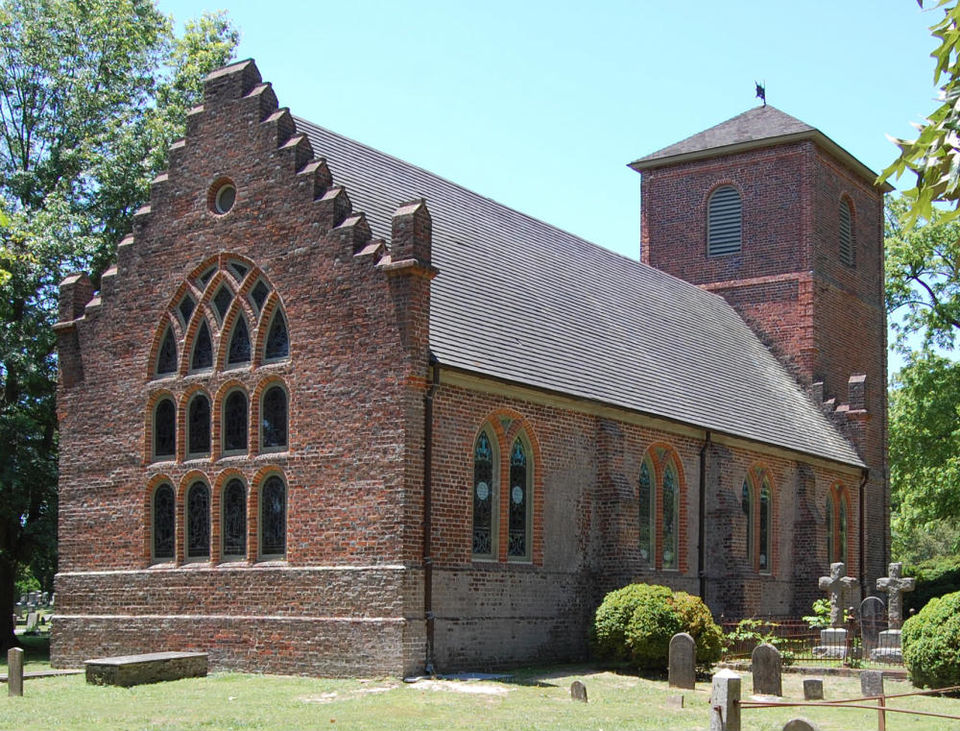
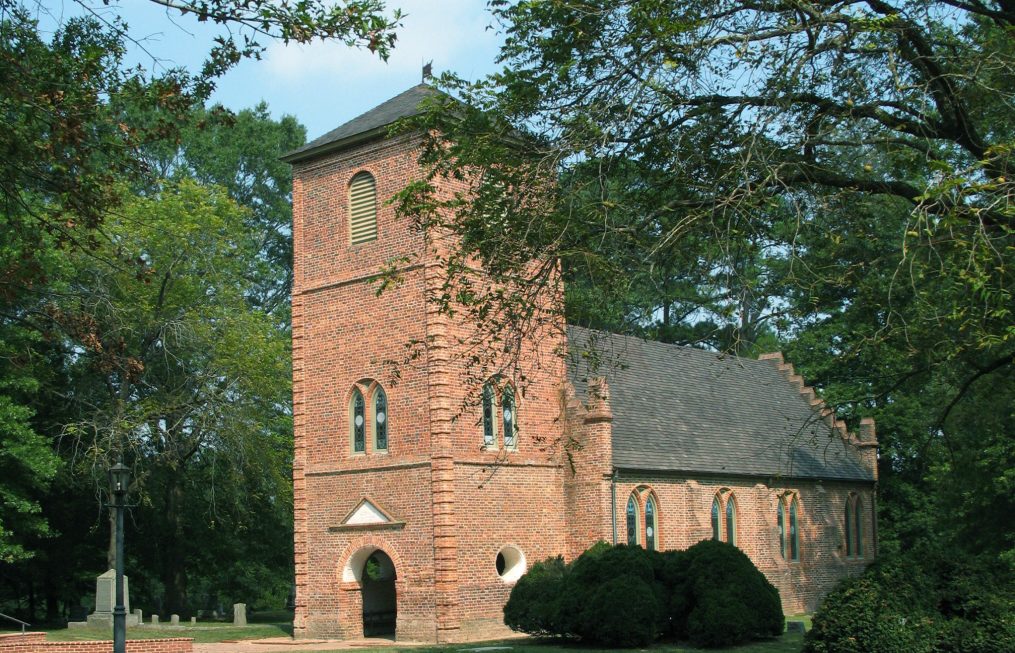
St. Luke’s Church, once known as the Old Brick Church, was constructed by 1682, most likely on the site of a previous church. The Gothic structure is the oldest non-Roman Catholic church building in the Western Hemisphere.
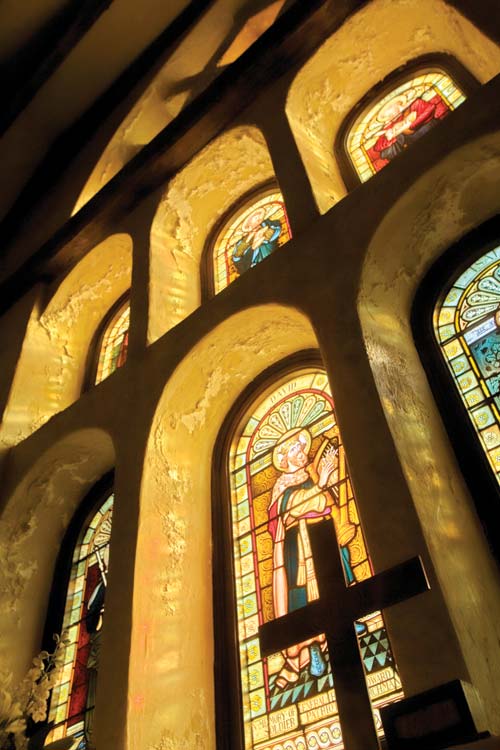
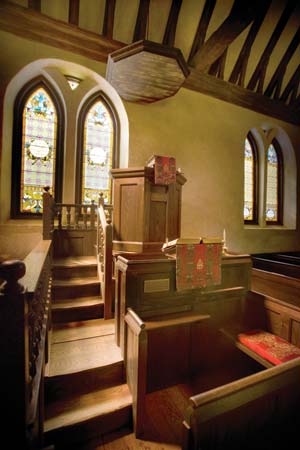
Local tradition considers Joseph Bridger to be the main benefactor in its final construction. His remains were interred in the church chancel in 1894, and a window was dedicated in his honor.
Some archaeological investigations have been conducted on the church grounds, which are discussed here.
The Historic St. Luke’s Church Foundation has a Legacy Fund for donors who want to leave the church a bequest in their will. Members of the Bridger Family Association have pledged $400,000.
Bristol
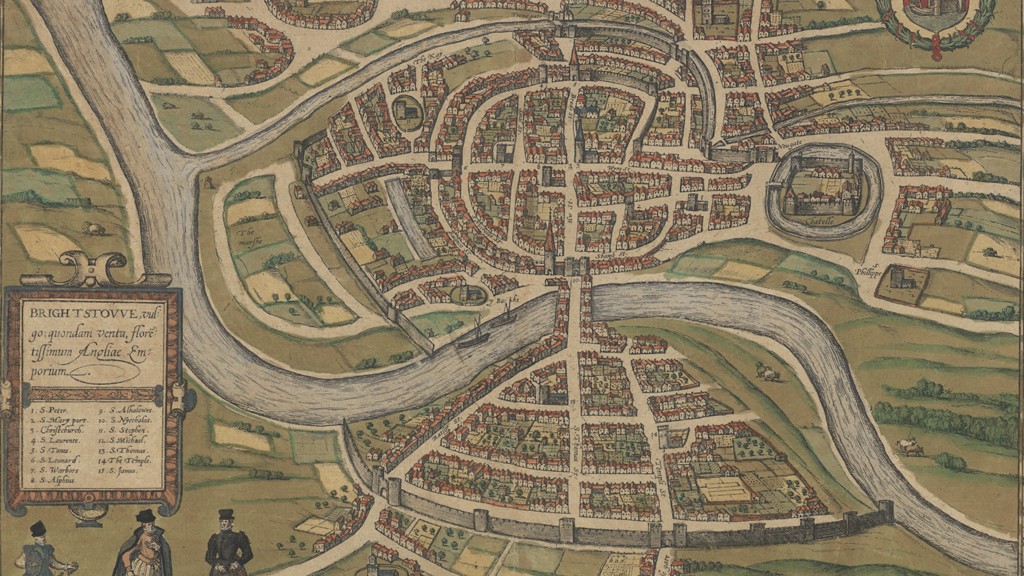
Hester Pitt and her family were from Bristol, England. While we do not know of any existing houses where they lived, two churches witnessed family events.
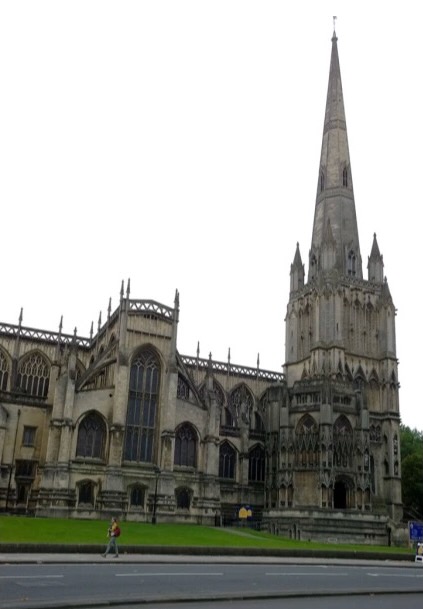
The Church of St. Mary Redcliffe
A potential early ancestor of Hester Pitt, wife of Joseph Bridger, was Nicholas Pitt, who at the time of his death (about 1497) was a minister and Clerk of St. Mary Redcliffe. In addition, the widow Elizabeth Northall married widower William Gibbs in this church on 26 September 1574. Mary Gibbs, one of their eight children, was the grandmother of Hester Pitt Bridger. Queen Elizabeth I said that this church was “the fairest, goodliest, and most famous parish church in England.” It was the church where people prayed for a safe voyage and received a blessing before beginning a sea voyage. So, we can assume that our Bridger and Pitt ancestors prayed at St. Mary Redcliffe before embarking for America in the 17th century.
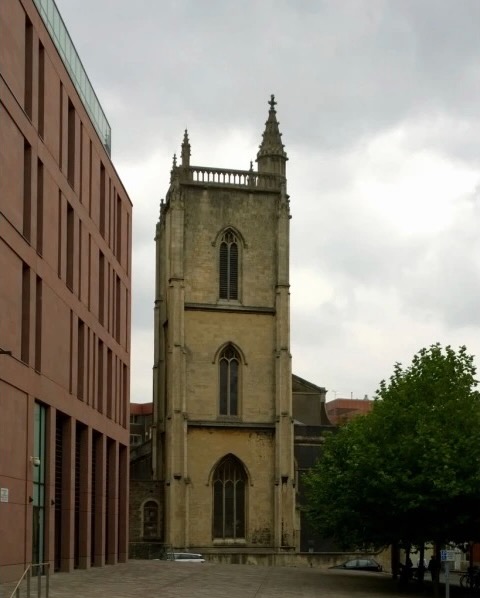
The Old Church of St. Thomas the Martyr
The Pitt and Gibbs ancestors of Hester Pitt, wife of Joseph Bridger, worshipped in this church. The tower dates from the 14th century and so would have been part of the building that they knew, but the rest of the church dates from the late 18th and 19th centuries. Hester’s father Robert Pitt was baptized here on 16 March 1605/06. He was the son of William Pitt, Mayor of Bristol in 1623, who was buried here 24 November 1624, as was his wife Mary in June 1634. William was the son of Thomas Pitt, merchant and Chamberlin of Bristol, who was buried here 06 March 1613. Mary was the daughter of William Gibbs, brewer, sheriff, and Chamberlain of Bristol, who was buried here 2 March 1602/03 next to his father, also named William Gibbs, who was buried here 7 October 1578.
More To Explore:
The Church of St. Mary Redcliffe
The Old Church of St. Thomas the Martyr
Bristol Genealogy Resources
Bridge House
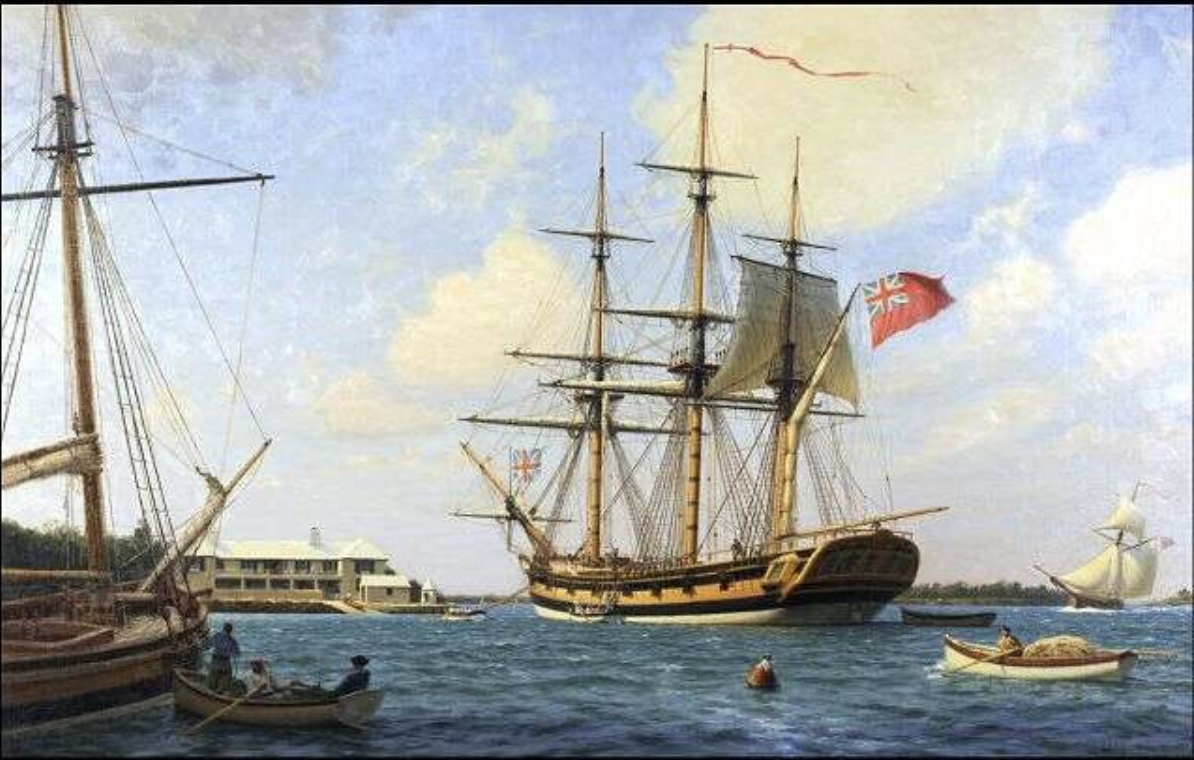
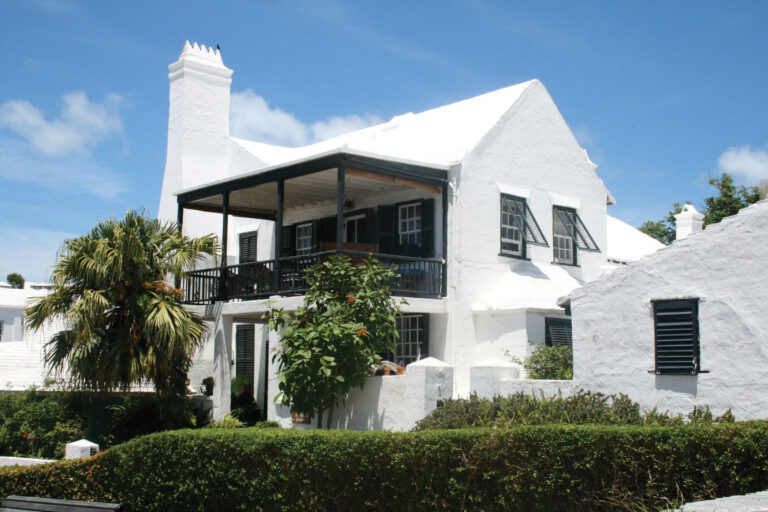
Joseph Bridger’s great-great-grandson Bridger Goodrich owned and lived at Bridge House in Bermuda from 1788 to 1795. Goodrich’s mother was Margaret Bridger, the daughter of Joseph Bridger III and Agatha Wells. Joseph Bridger III was the son of Joseph Bridger Jr. and Elizabeth Norsworthy. Joseph Bridger Jr. was the son of Joseph Bridger and Hester Pitt.
Bridger Goodrich’s father was John Goodrich, whose ancestor had arrived in Virginia in 1635. His family lived in the Shoulder’s Hill plantation in Nansemond County. He owned several other properties in Nansemond and Isle of Wight Counties.
By 1774 John Goodrich owned a fleet of 12 merchant ships, which operated along the American coast and in the Caribbean. His largest ship carried cargo to England. He owned stores and warehouses associated with his shipping business. His four oldest sons, William, John Jr., Bartlet, and Bridger, joined him in the business.
Circumstances at the start of the Revolutionary War led John Goodrich to side with Virginia’s Royal Governor Lord Dunmore. The family and its ships became privateers in service to England. After the war, most of the Goodrich family settled in England.
Bridger Goodrich lived in Bermuda after the war. In 1788 he sold Goodrich Hall (now known as Orange Grove) and later purchased Bridge House where he lived until he died in 1795. He served in the legislature in Bermuda.
More To Explore:
Fort Bridger
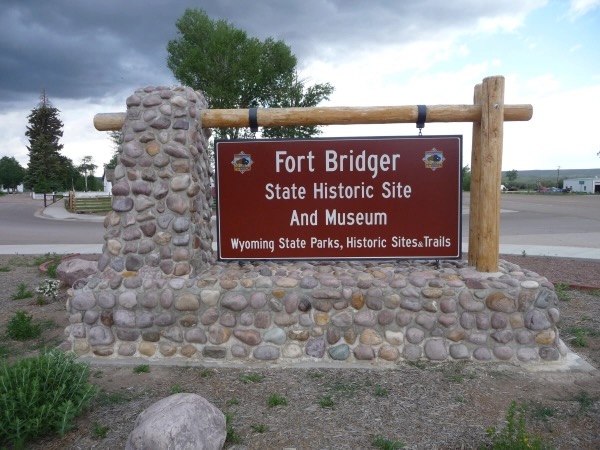
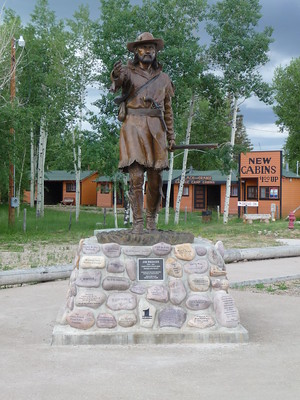
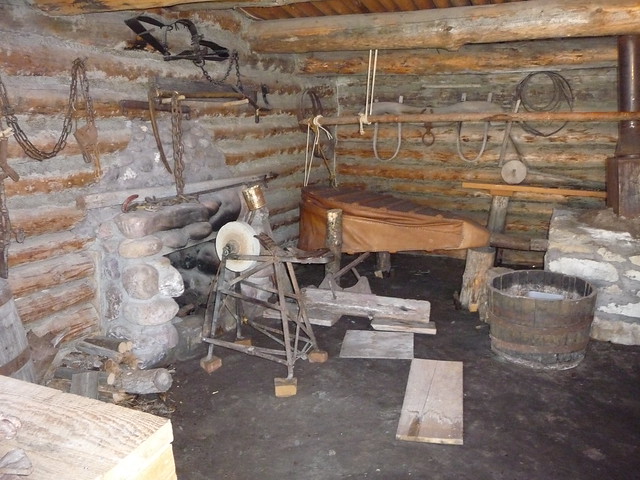
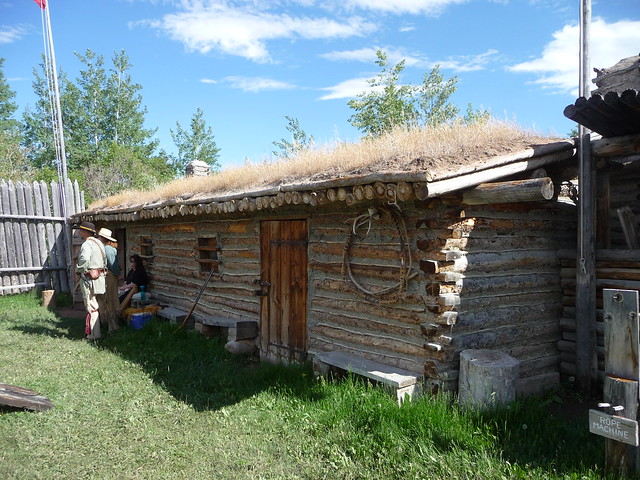
Jim Bridger, a fur trapper and early explorer of the American West, established Fort Bridger in 1843 on the Black’s Fork of the Green River in southwest Wyoming. It came to be an important trading post and blacksmith shop for pioneers traveling westward on the Oregon/California/Mormon Trails. It was a stop on the Pony Express. Bridger met with Mormon leader Brigham Young near the fort on June 24, 1847. Later, disputes arose with Mormon pioneers who took over the fort in 1853. By 1858, Fort Bridger became a U.S. military outpost. Ultimately, the expansion of the railroads in the west made Fort Bridger obsolete. The Army closed the post in 1890 when Wyoming became a state. On June 25, 1933, Fort Bridger was designated as a Wyoming Historical Landmark and Museum.
North Carolina
There are a few places in North Carolina that have or had the Bridger name.
Northampton County
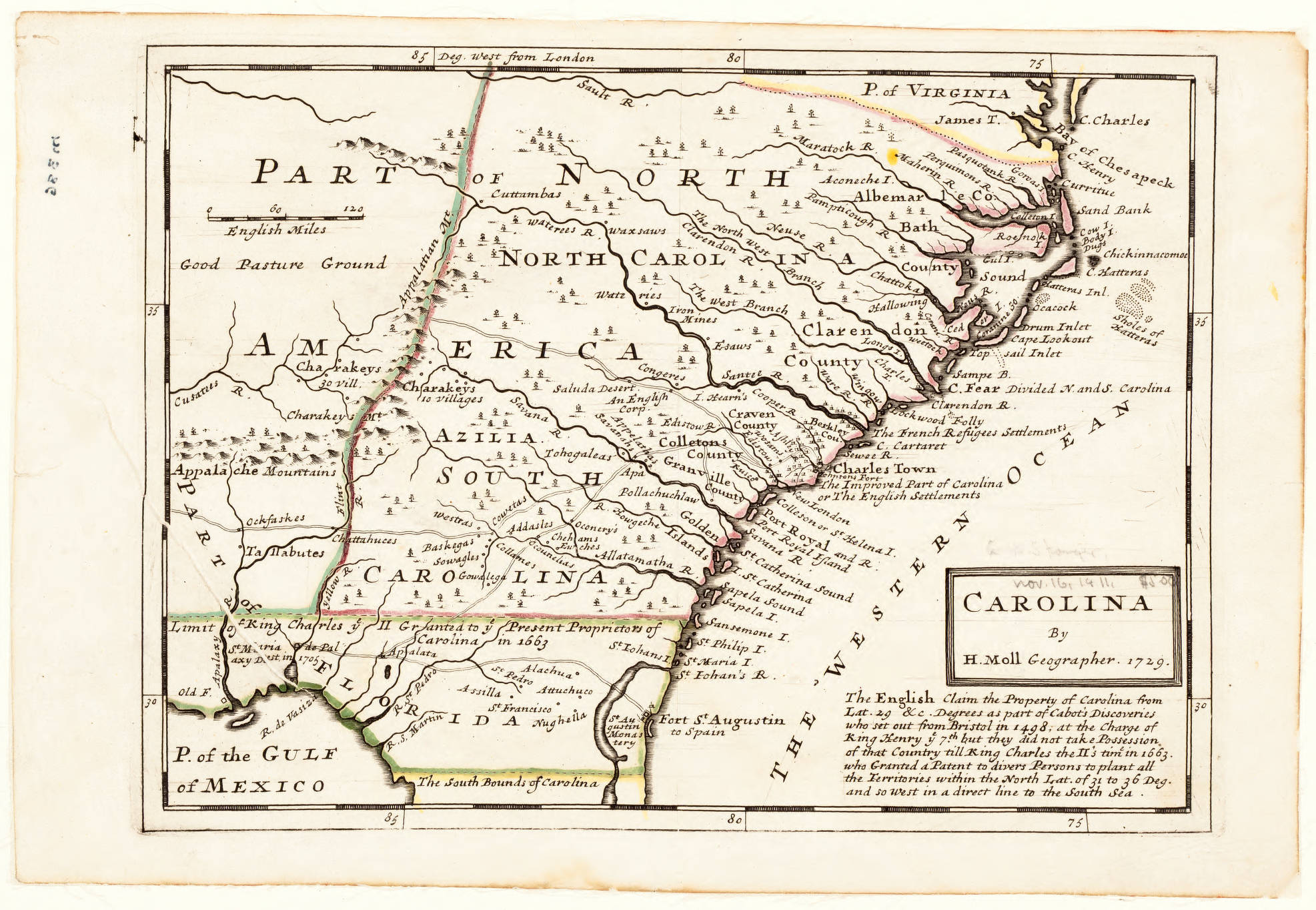
Bridgers Creek, located in the southern part of the county, was shown on the Moseley Map in 1733. A vestry book indicates that in addition to the county’s St. George’s Parish Church there was a Bridger’s Creek Chapel in 1775. There once was a Bridgers School in the county.
Edgecombe County
he Blount-Bridgers House (also known as the Grove) on Bridgers Street in Tarboro was built in 1808 by Thomas Blount, an officer in the Continental Army during the American Revolution. It was later owned by Col. John Luther Bridgers, a descendant of Joseph Bridger, who was the Commandant of Fort Macon in Carteret County, North Carolina during the Civil War.
Bladen County
The Bridger Memorial Public Library was a gift to the town of Bladensboro by descendants of Joseph Bridger.
Winston-Salem
The field house at Wake Forest University constructed in 1968 was named the Bridger Fieldhouse on Oct. 14, 1972 in honor of two Wake Forest alumni, James Albert Bridger and Dr. Dewey H. Bridger, both of Bladenboro. A new field house constructed in 1998 still carries the name.
References
- West Surrey Family History Society. Godalming, Surrey Monumental Inscriptions. 1984. Pages 45-46.
- Rev. Owen Manning and William Bray. The History and Antiquities of the County of Surrey, Volume 1. London. 1804. P. 638
- Tyler, Lyon Gardiner. The Cradle of the Republic: Jamestown and James River. Richmond: Hermitage Press. 1906. P. 75. The author states that in 1683 [Governor] Lord Culpeper wrote that Col. Joseph Bridger and Mr. William Sherwood were building dwellings that would be finished this or the next year.
- McIlwaine, Henry Read, editor. Legislative Journals of the Council of Colonial Virginia, Volume 1. Richmond: 1918 (Available through Family Search.org; account required). Page 35 states that the meeting was held “November 25th, 1682.”